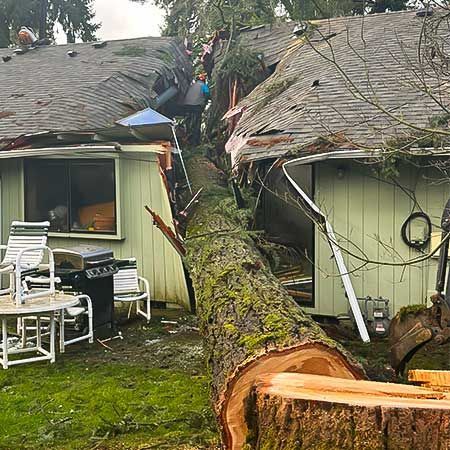

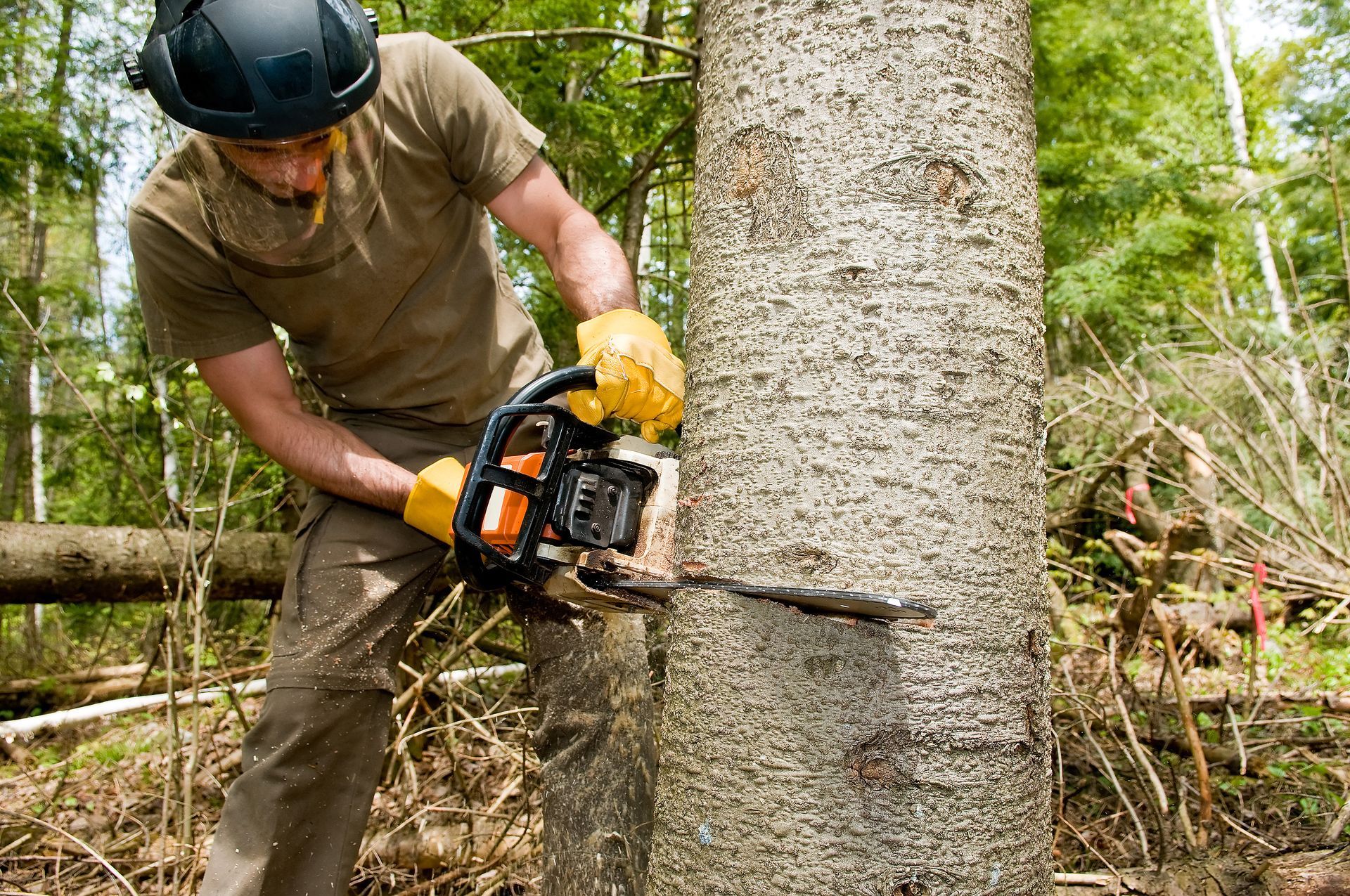
Discover how to spot hidden tree hazards before they cause property damage. Use our homeowner checklist and learn when to hire a professional tree service.
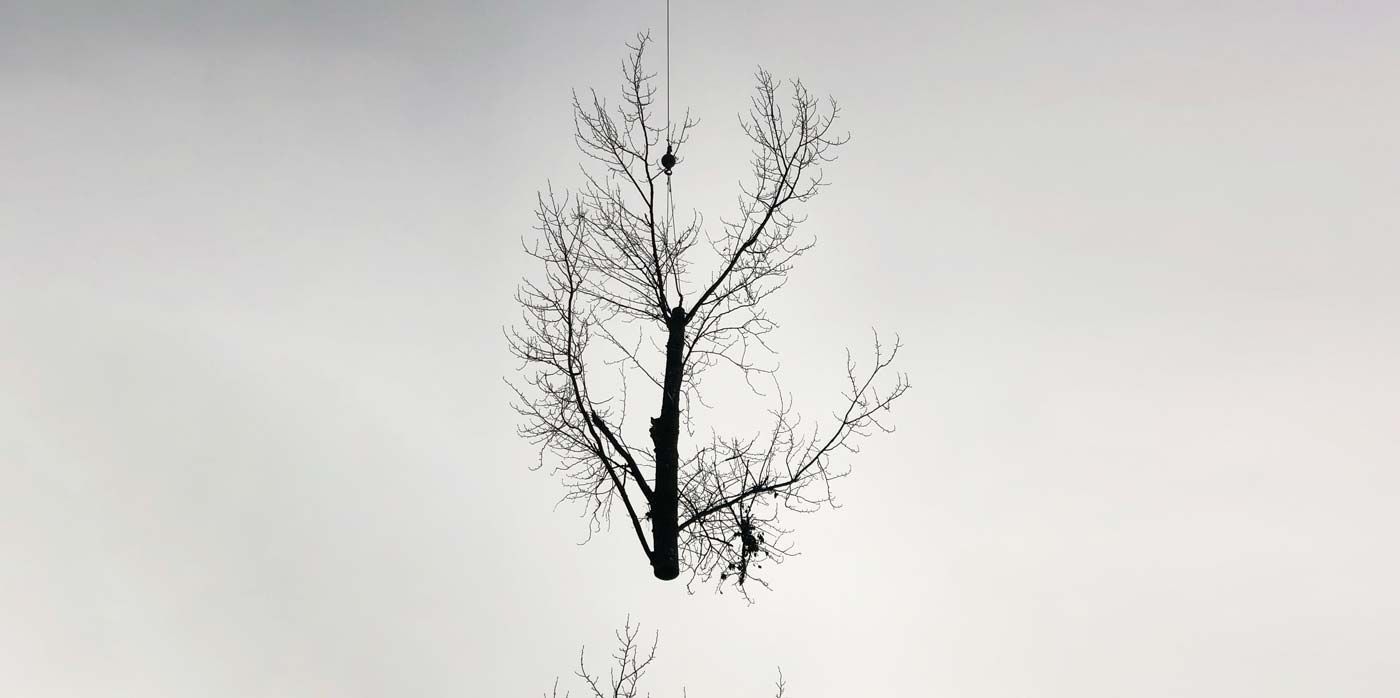
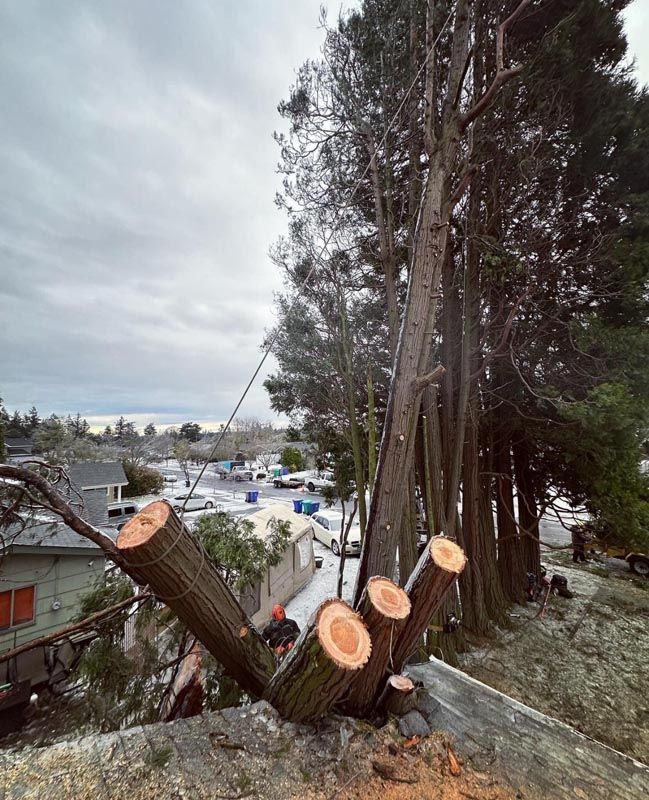
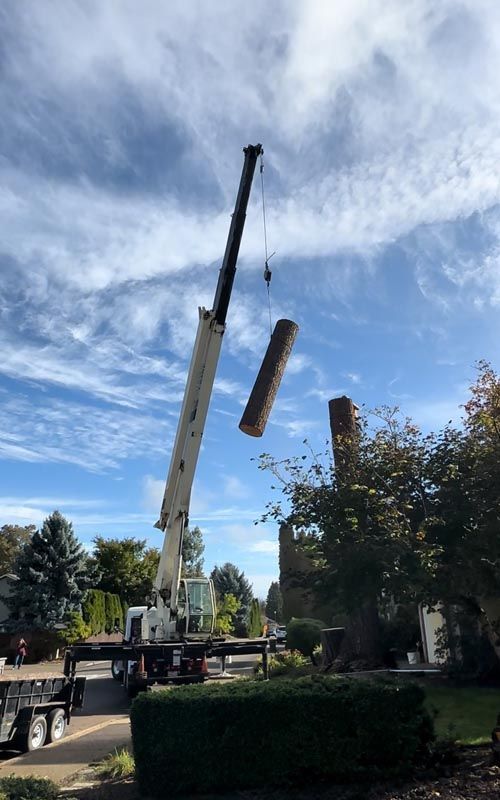
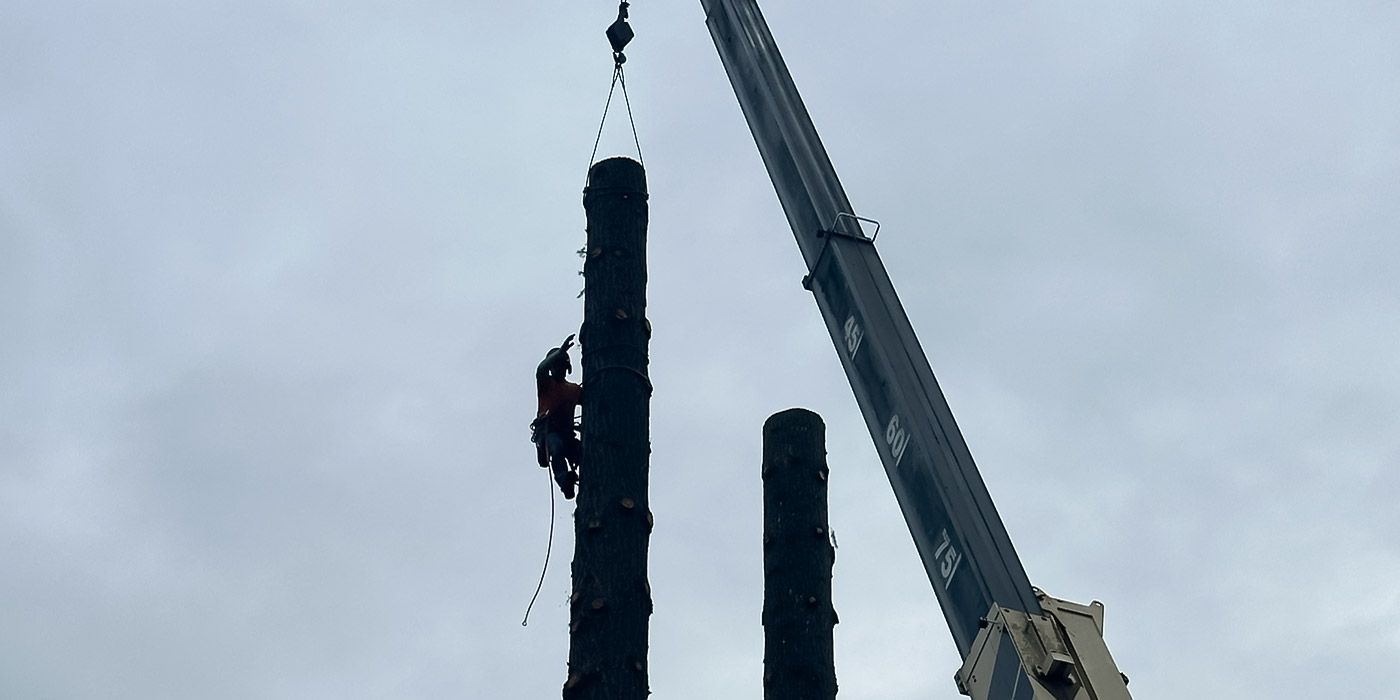
Learn how professional local tree removal experts can safely extract massive timber from tight suburban and urban spaces.
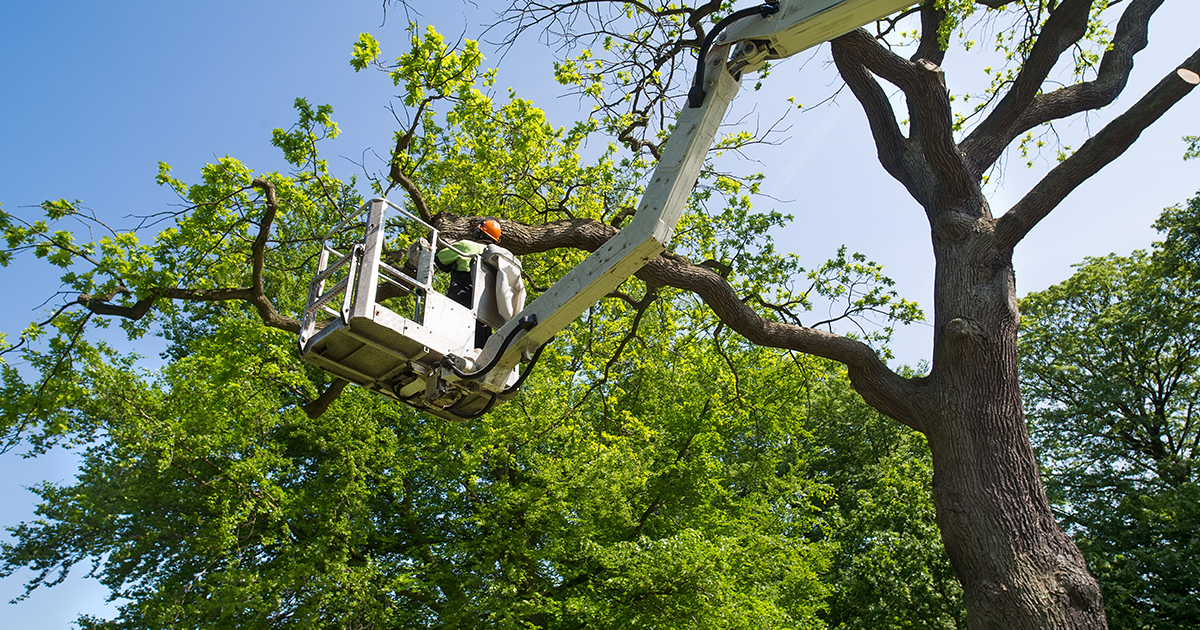
Tree cabling can provide a sustainable alternative that preserves mature landscapes, supports ecological stability, and maintains environmental benefits.
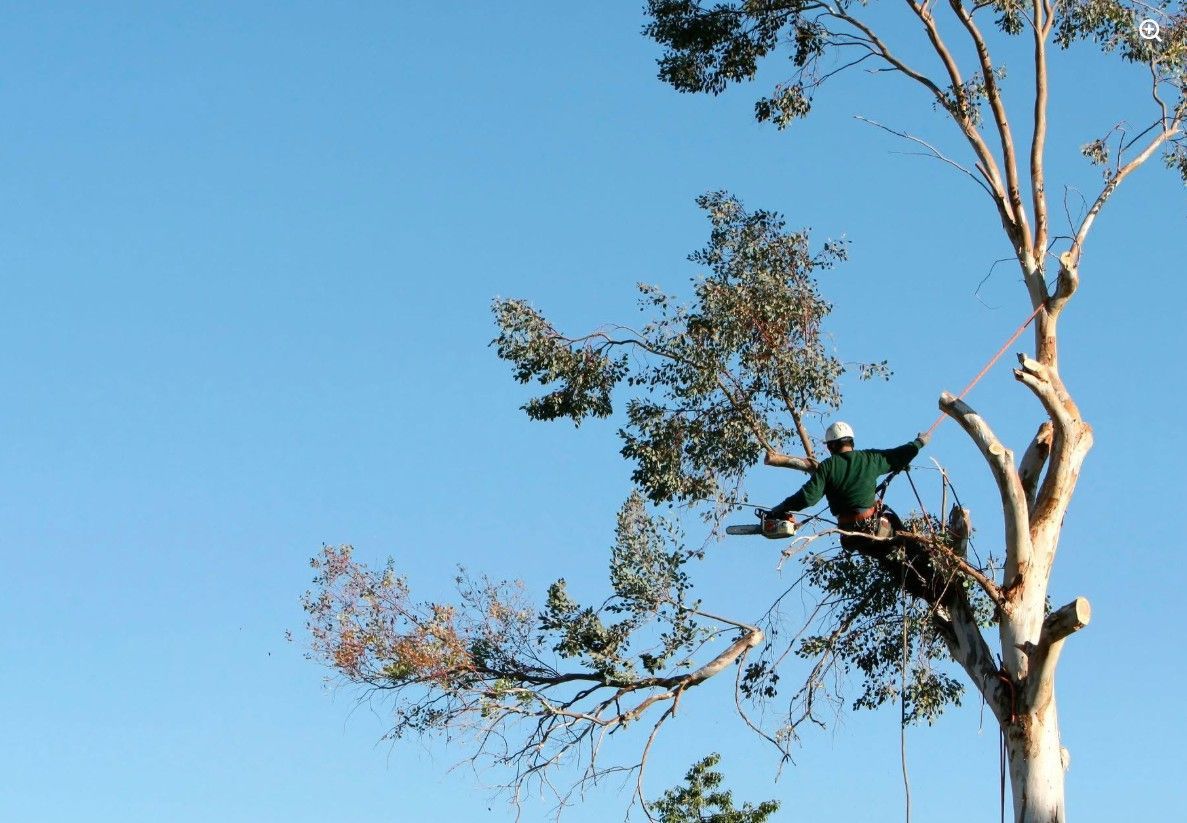
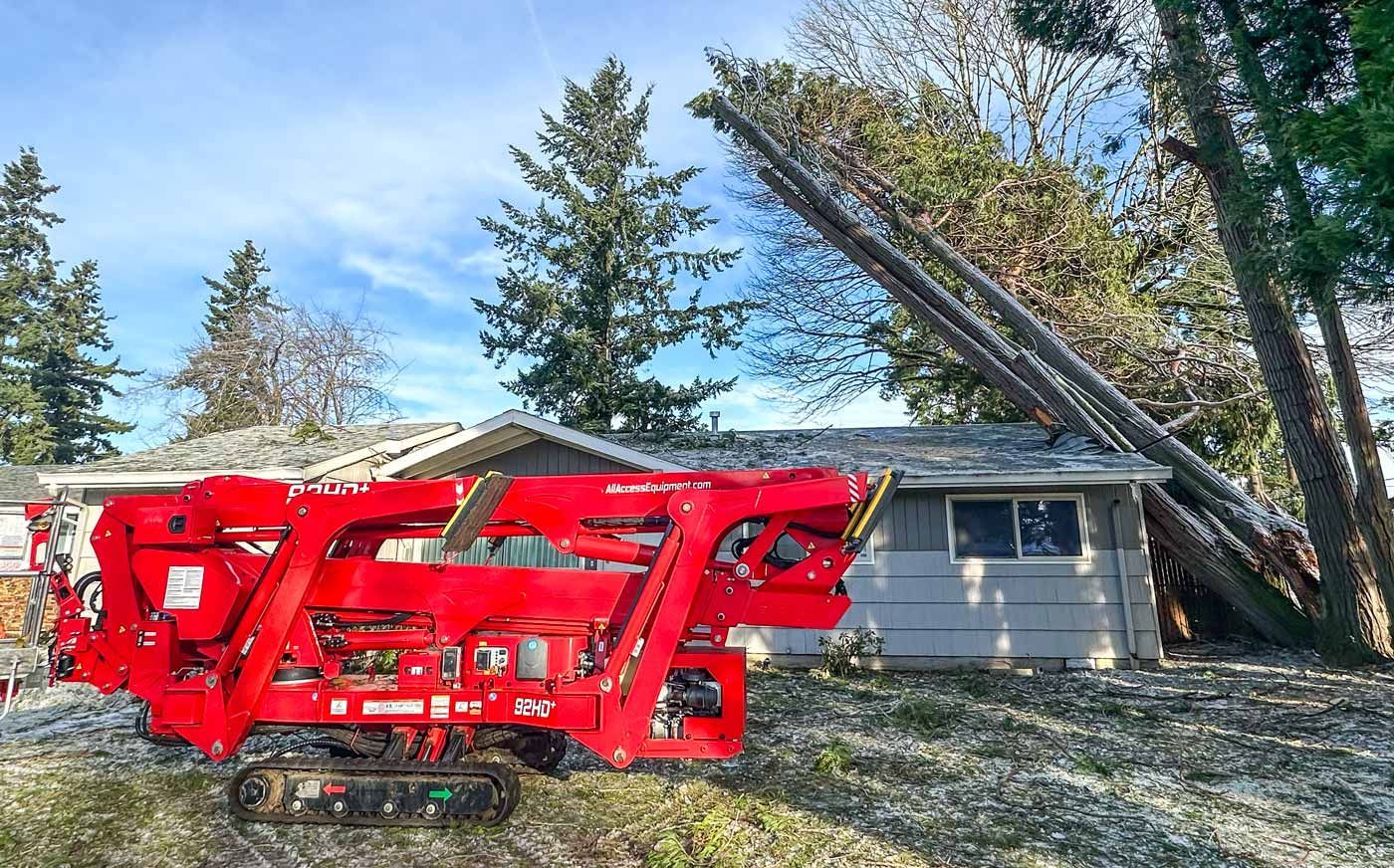
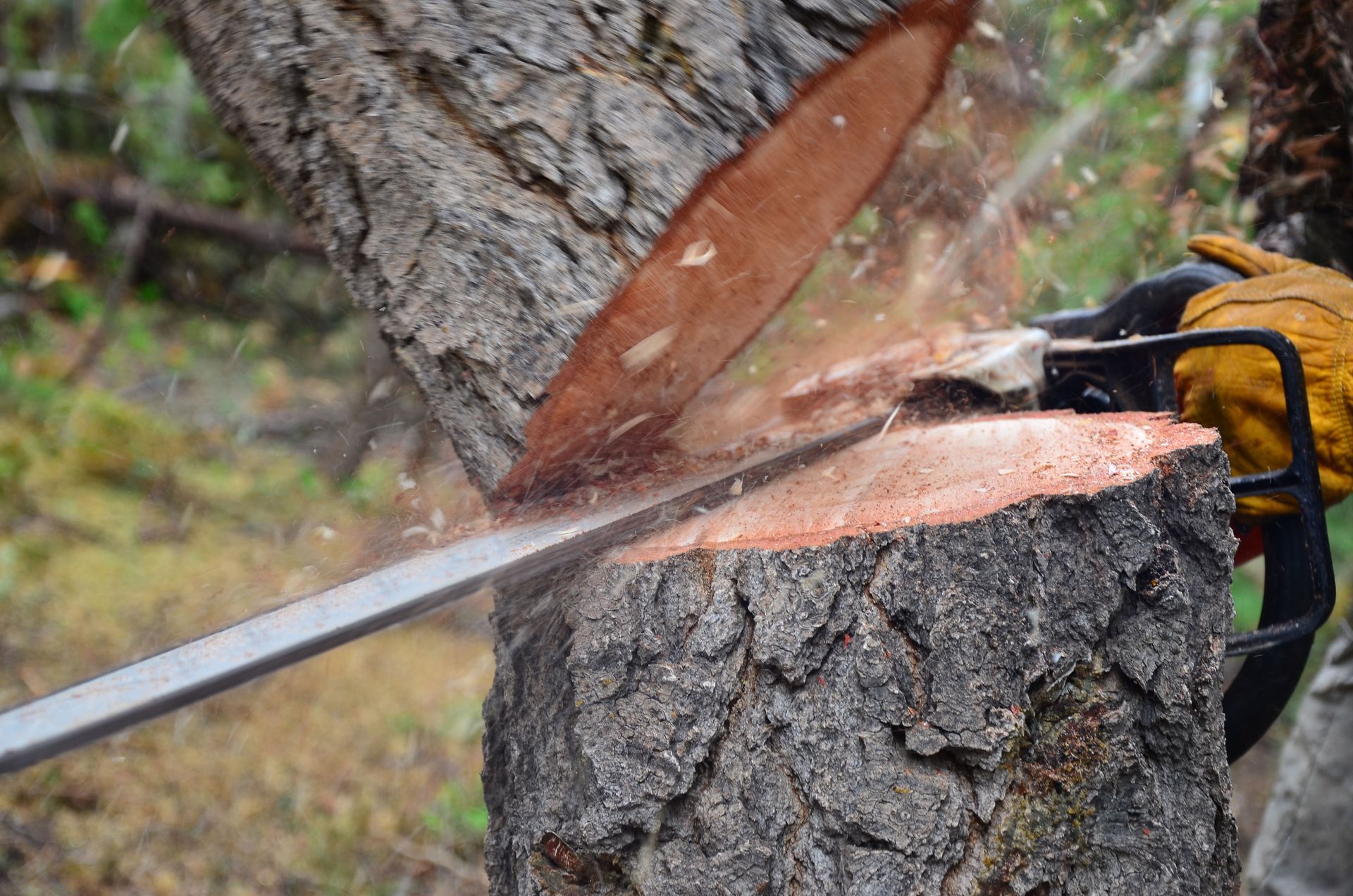
Protect your home from storm damage and falling branches. Discover how routine tree trimming eliminates dangerous safety hazards and saves you money.
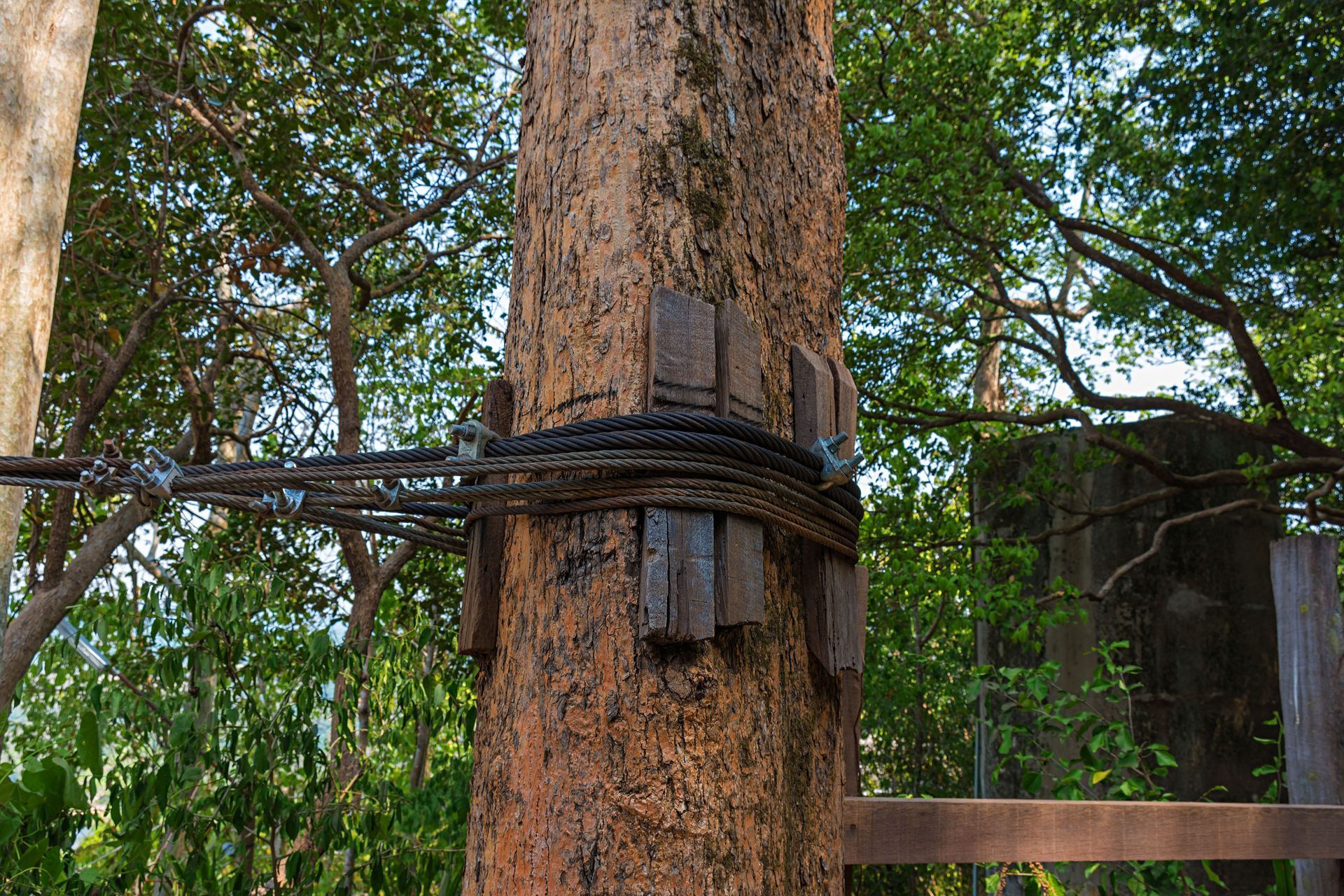
Trees are often long-term fixtures in both urban neighborhoods and rural landscapes, providing shade, structural beauty, and environmental benefits that extend far beyond aesthetics. However, when a tree develops structural weaknesses, property owners are often faced with a difficult decision: remove the tree entirely or attempt to preserve it. In many cases, arborists will recommend intervention strategies that maintain the tree’s presence while reducing risk. One of the most common of these methods is tree cabling. Understanding when tree cabling is appropriate instead of full removal is essential for balancing safety, cost, and ecological value. A properly evaluated tree can often be preserved for many more years with support systems that stabilize weak limbs or compromised structures. Rather than defaulting to removal, arborists assess whether targeted reinforcement can extend the tree’s lifespan without increasing hazard. What Is Tree Cabling and Why Is It Used? Tree cabling is a structural support technique used by arborists to stabilize trees that have weak branch unions, heavy limbs, or trunks that are at risk of splitting. The process typically involves installing high-strength steel cables between major limbs or stems to redistribute mechanical stress. In some cases, rods may also be installed to reinforce specific weak points. The purpose of tree cabling is not to “fix” a tree in the sense of restoring it to perfect health, but rather to reduce the likelihood of failure. Many mature trees develop structural imperfections over time due to wind exposure, uneven growth, or storm damage. Instead of removing these trees, arborists often use tree cabling to preserve their structure while minimizing risk to surrounding property and people. In practice, tree cabling is most effective when installed proactively rather than after severe damage has already occurred. By anticipating stress points, arborists can extend the functional life of a tree that still provides significant environmental or aesthetic value. When Is Tree Cabling Preferred Over Tree Removal? The decision between preservation and removal is rarely straightforward. Arborists consider multiple factors, including tree species, overall health, location, and risk level. Tree cabling is often preferred when the tree is otherwise healthy but has localized structural weaknesses that can be managed. For example, a mature shade tree in a residential yard may have a large, heavy limb extending over a structure. If that limb shows signs of splitting but the rest of the tree is stable, tree cabling can provide reinforcement that allows the tree to remain safely in place. In such cases, removing the tree would mean losing decades of growth and ecological contribution. Another key factor is environmental impact. Trees provide measurable cooling benefits to their surroundings. According to the U.S. Forest Service, trees can reduce surrounding air temperatures by up to 10°F through shade and evapotranspiration. Preserving mature trees through tree cabling, therefore, supports not only property aesthetics but also local climate moderation. In densely populated areas, arborists are even more likely to recommend tree cabling over removal because mature trees are difficult to replace and contribute significantly to stormwater management, air quality improvement, and energy savings. In these contexts, tree cabling becomes a practical compromise between safety and sustainability. How Does Tree Cabling Benefit Trees and the Environment? The benefits of structural support systems extend beyond immediate risk reduction. When properly installed and maintained, tree cabling can help redistribute mechanical loads across stronger sections of a tree, reducing strain on vulnerable limbs and allowing the tree to continue growing more evenly. One of the primary environmental advantages of tree cabling is the preservation of mature canopy cover. Large trees play a critical role in regulating temperature, improving air quality, and supporting biodiversity. Maintaining these trees means maintaining the ecosystem services they provide. As noted earlier, the cooling effect described by the U.S. Forest Service highlights just one of many ecological benefits that can be preserved when tree removal is avoided. Tree cabling also reduces the need for heavy machinery and removal operations, which can disturb surrounding soil and vegetation. By stabilizing instead of eliminating a tree, arborists help preserve root systems that contribute to erosion control and groundwater management. From a long-term perspective, tree cabling supports sustainable landscape management by extending the lifespan of trees that would otherwise be removed prematurely. This reduces the demand for replanting and allows ecosystems to remain more stable over time. What Are the Signs a Tree Needs Cabling? Identifying structural issues early is key to determining whether intervention is possible. Arborists often look for visible indicators such as split branch unions, V-shaped crotches, or large limbs that appear disproportionately heavy compared to their attachment points. Trees that have experienced storm damage or repeated wind stress may also show signs of weakness. In some cases, these structural problems develop gradually over years, making them easy to overlook until a major limb failure occurs, which is why routine inspections are so important. Another indicator is uneven canopy distribution. When one side of a tree carries significantly more weight than the other, stress fractures can develop over time. In these cases, tree cabling may be recommended to redistribute tension and prevent failure. Arborists may also evaluate how wind interacts with the canopy shape, since asymmetrical growth can act like a lever during storms, increasing the likelihood of branch breakage if left unaddressed. In some situations, fungal growth at branch junctions or trunk wounds can indicate internal decay. While not every case of decay can be addressed with structural support, targeted tree cabling may still help stabilize unaffected sections while monitoring progression. Arborists often pair this approach with ongoing assessments to determine whether the decay is spreading or remaining contained, which influences long-term management decisions. Environmental stressors such as prolonged drought, soil compaction, or construction activity near the root zone can also weaken a tree’s structural integrity. Arborists often evaluate these conditions holistically before recommending tree cabling as part of a broader care plan. These stressors can reduce root stability and limit nutrient uptake, compounding structural issues already present in the canopy and making early intervention even more critical. What Are the Risks Associated With Tree Cabling? While tree cabling is widely used and generally safe when properly installed, it is not without risks. One of the primary concerns is improper installation. If cables are placed incorrectly or tensioned too tightly, they can cause additional stress or even damage the tree’s structure over time. Another risk is reliance on tree cabling as a permanent solution. Trees continue to grow, and without regular inspection and adjustment, support systems can become ineffective. In some cases, failure to maintain cabling systems can lead to unexpected breakage during storms or high winds. There is also the possibility that internal decay may progress unnoticed. Since tree cabling primarily addresses structural support rather than internal health, it does not stop disease or rot. Arborists must therefore combine tree cabling with ongoing monitoring to ensure long-term safety. Despite these risks, proper assessment and maintenance significantly reduce potential complications. When implemented correctly, tree cabling remains a reliable tool for preserving valuable trees that would otherwise be lost. Tree preservation often requires a balance between safety concerns and environmental responsibility. Rather than defaulting to removal, arborists frequently evaluate whether reinforcement methods can extend a tree’s life while minimizing risk. Tree cabling is one of the most effective strategies in this regard, offering structural support for trees that are otherwise healthy but mechanically compromised. In total, tree cabling can provide a sustainable alternative that preserves mature landscapes, supports ecological stability, and maintains the many environmental benefits trees provide when managed responsibly. If you have trees that need some TLC, reach out to the dedicated team at Joe Grab Tree Service today!
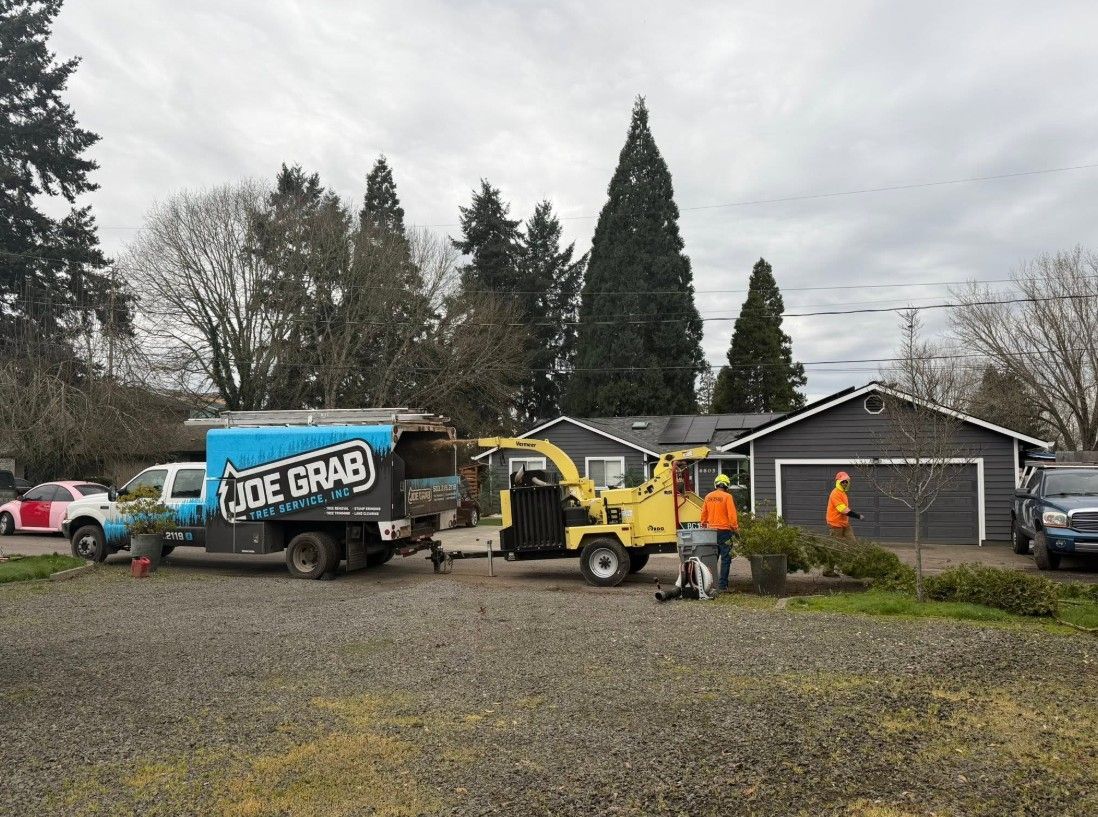
Why invest in a professional tree service? Expert arborists provide essential pruning, health assessments, and risk management to protect your home.
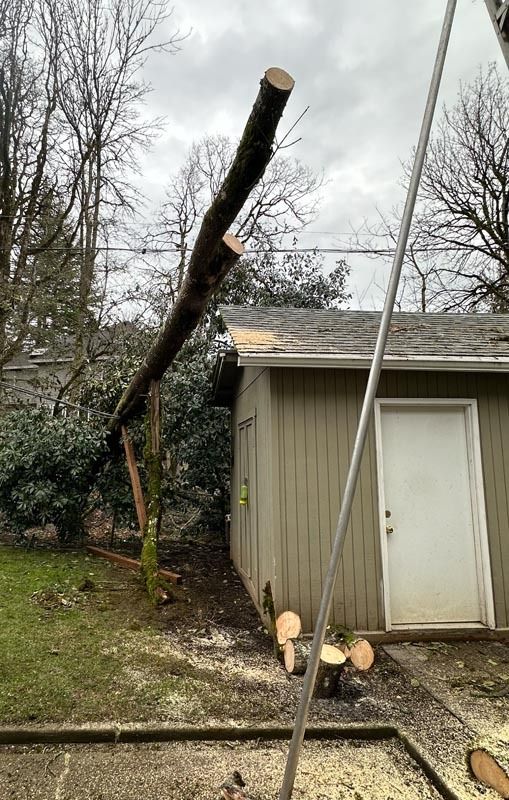
Homeowners can significantly reduce the risk of catastrophic failure and ensure the safety of their property by hiring tree trimming services. Read more.
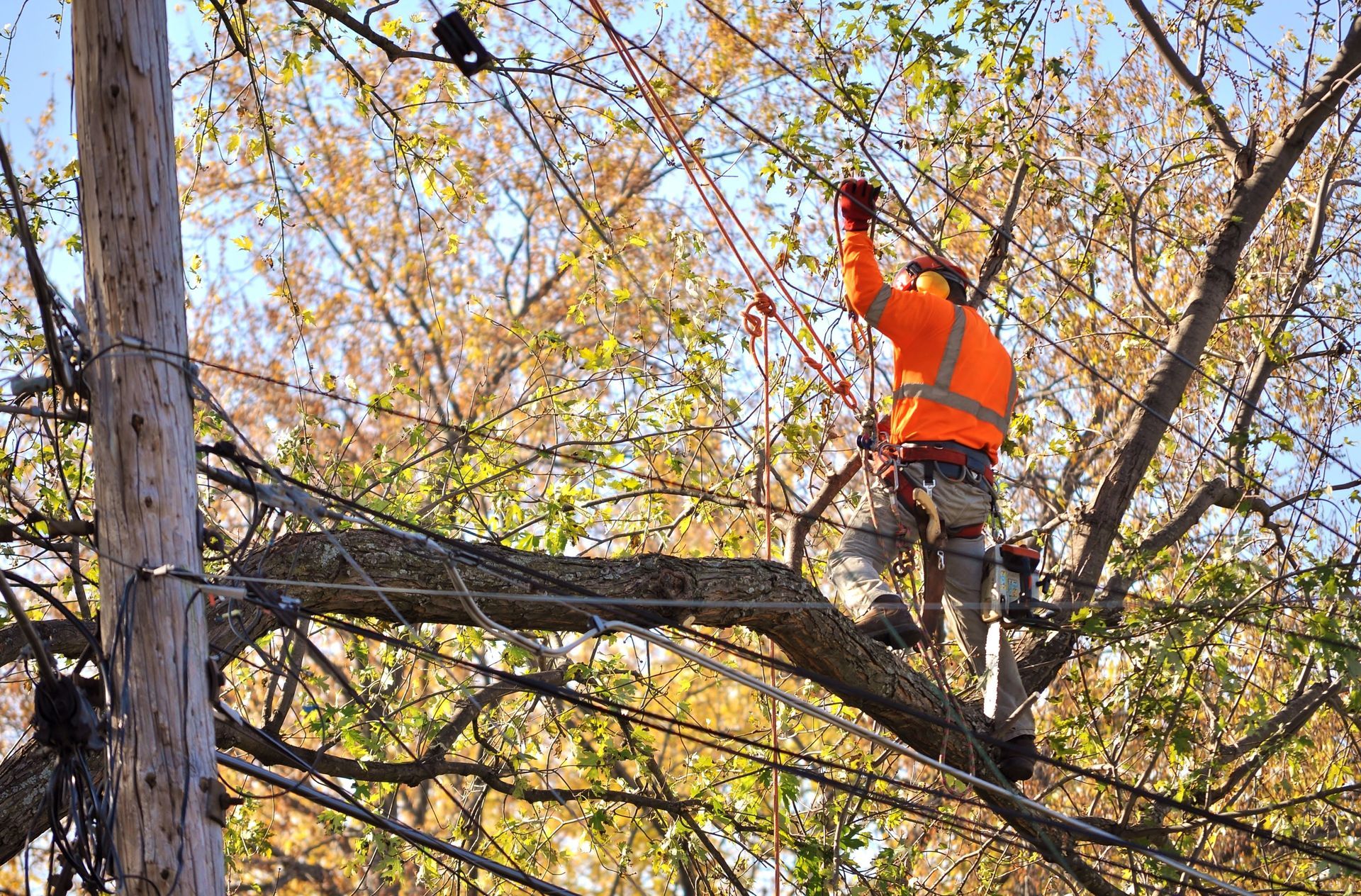
Trees not only embellish our landscapes but also play a crucial role in maintaining ecological balance. Here are three reasons to hire a tree service.

Explore the common tree care mistakes and how effective tree care begins beneath the surface, where the root system interacts with the soil environment.