April 28, 2026
Trees not only embellish our landscapes but also play a crucial role in maintaining ecological balance. They serve as vital habitats for diverse wildlife, contribute to air purification, and offer shade that helps cool urban environments. However, like any living entity, trees require regular upkeep to thrive and remain safe. Professional tree services provide the essential care and management that trees necessitate, ensuring both the safety and aesthetic appeal of our properties.
In light of these benefits, homeowners are increasingly recognizing the value of professional tree services. According to Zipdo, 62% of U.S. homeowners engage such services at least once annually, many aligning these engagements with seasonal maintenance needs. This growing trend underscores the importance of professional tree care in enhancing property safety, value, and aesthetics while promoting environmental sustainability.
1. Safety Concerns
One of the primary safety concerns regarding trees is the risk of falling branches, which can lead to significant property damage and personal injury. Overhanging branches, especially those weakened by disease or age, become precarious during storms or high winds. Professional tree services can identify these dangerous branches before they become a threat. Their expertise in pruning ensures that such hazards are mitigated effectively. Consequently, they play a vital role in maintaining a safe environment around residential and commercial properties.
The unpredictable nature of weather patterns necessitates proactive tree care. Regular inspections by professionals can identify potential hazards, such as branches that could be torn off by strong winds. By trimming these branches in advance, tree services help prevent accidents. This preventive approach not only safeguards properties but also contributes to the peace of mind of homeowners. Understanding and addressing the risk of falling branches is a key reason for utilizing professional tree services.
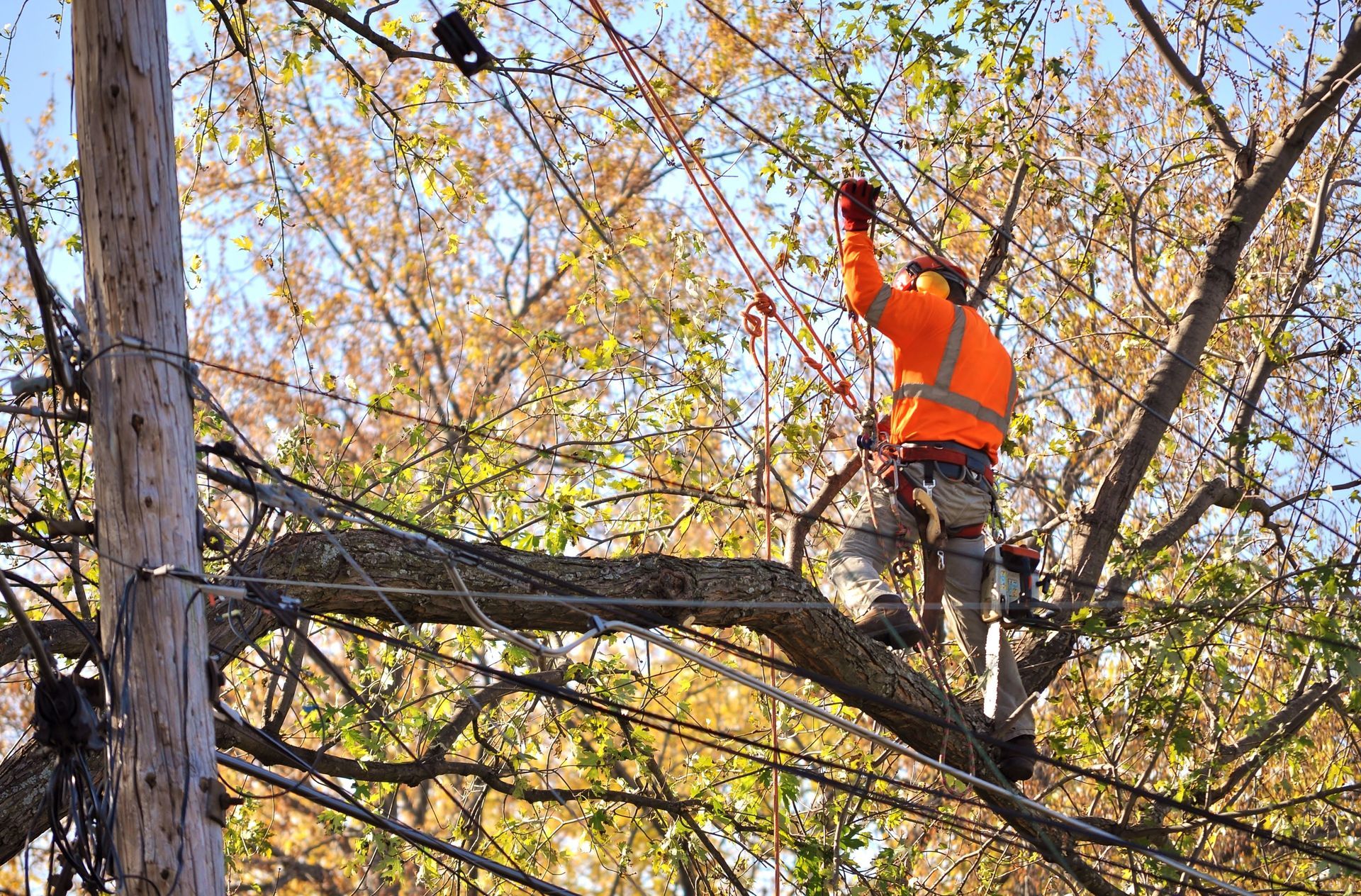
Removing trees that pose a threat to property and safety is a complex task requiring specialized knowledge and equipment. Trees located near power lines, buildings, or other structures pose unique challenges. Attempting to remove these trees without professional assistance is highly risky and can result in accidents or property damage. Tree services have the expertise to assess these situations and remove trees safely and efficiently. Their trained staff uses industry-approved techniques to ensure that hazardous tree removal is conducted without incident.
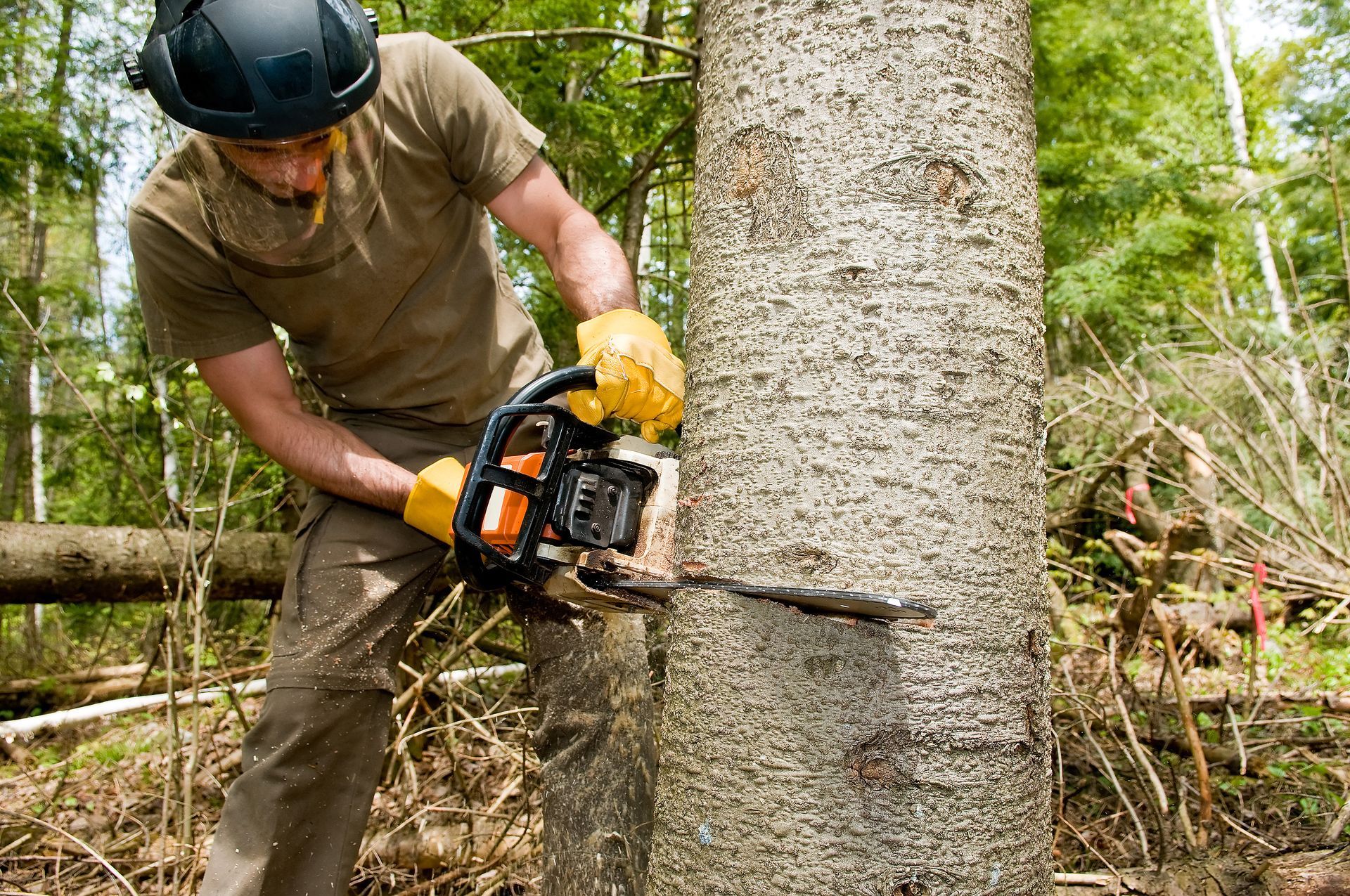
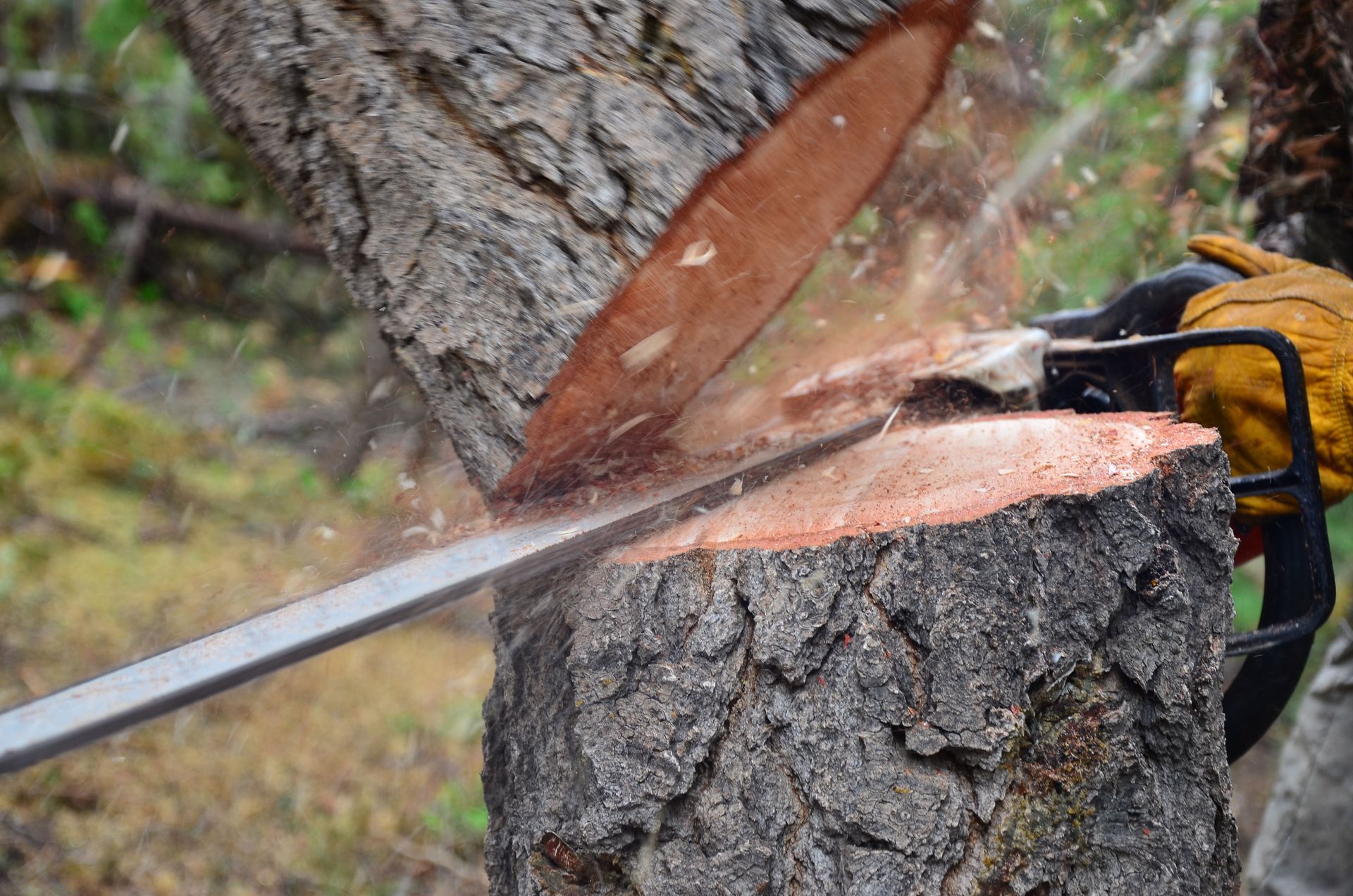
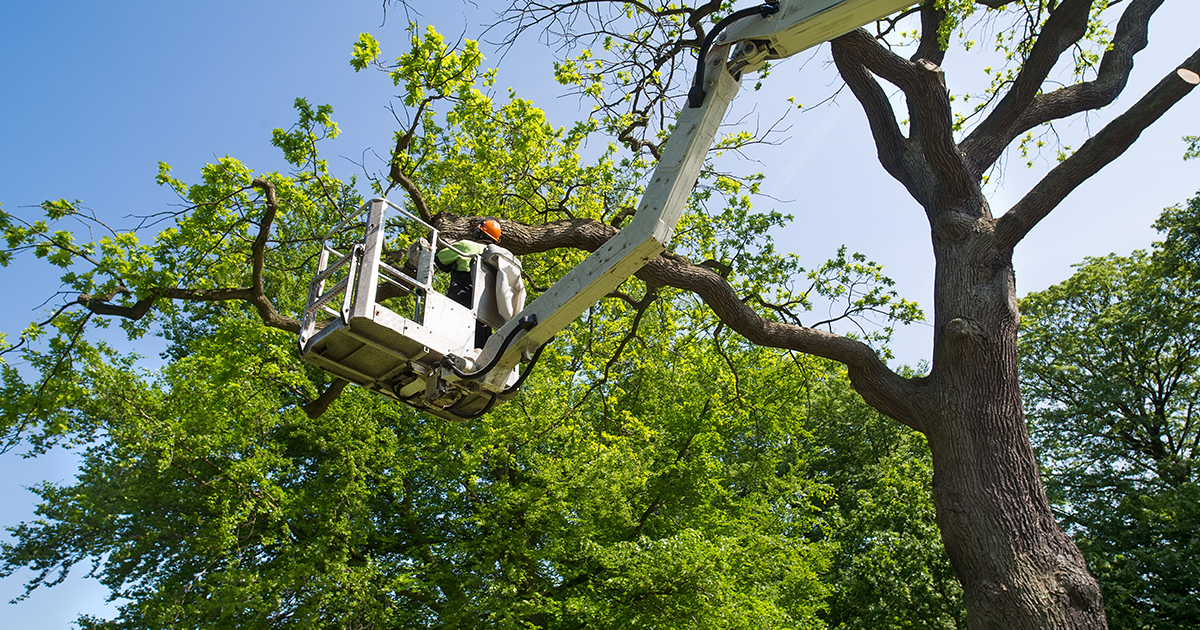
The safety and efficacy of tree maintenance heavily depend on the use of proper equipment and techniques, distinct from professional tree services. Tasks such as pruning, cutting, or removing trees require specialized tools that the average homeowner may not possess. Professional services invest in high-quality equipment designed to handle tree-related tasks safely and efficiently. By hiring professionals, you ensure that the work is performed using the best available tools, reducing the risk of accidents. This professional-grade equipment, coupled with expert knowledge, makes tree services a go-to solution for tree maintenance.
In addition to equipment, the techniques employed by professionals are honed through training and experience. Arborists understand the nuances of not just what tools to use but how to use them effectively and safely. This knowledge is crucial, particularly when dealing with large trees or those in risky locations. By leveraging their expertise, tree service professionals perform tasks with precision, minimizing potential hazards. The confidence in technique exemplifies why professional services stand apart from do-it-yourself approaches.
2. Expertise and Knowledge
The ability to accurately identify tree species is a fundamental aspect of expert tree care. Different tree species require distinct care approaches to ensure they receive the best possible treatment. Professional arborists have extensive knowledge about a wide range of trees and their specific needs. This expertise enables them to devise care plans that promote health and growth, tailored to each type of tree. By identifying tree species correctly, they contribute to vibrant, sustainable landscaping.
Identifying and treating tree diseases is a critical component of professional tree care, safeguarding both tree health and property safety. Trees can suffer from myriad diseases and pest infestations that compromise strength and vitality. Professionals are trained to diagnose these ailments accurately, understanding early symptoms and risk factors. This expertise allows for timely interventions, applying the most effective remedies to restore tree health. Regular professional maintenance minimizes disease impact, ensuring trees remain robust and flourishing.
The knowledge professionals bring to disease management also includes the treatment and pest control strategies. By understanding the lifecycle and characteristics of pests and pathogens, they implement interventions that halt disease progression and repel infestations. Their familiarity with various treatment options allows for environmentally friendly, sustainable approaches that prioritize ecosystem balance. As stewards of tree health, professionals enhance landscapes while preserving natural habitats and resources. This multifaceted expertise exemplifies why tree services are essential for maintaining healthy, vibrant environments.
Customized pruning techniques are central to maintaining the structural integrity and aesthetic shape of trees. Professional tree services possess the expertise to execute precise pruning methods tailored to specific needs. Different tree species require unique approaches to prune effectively and promote healthy growth. Expert arborists use their detailed understanding of growth patterns and structure to perform pruning tasks without compromising tree health. As a result, trees benefit from long-term vitality and enhanced visual appeal.
The customization of pruning techniques also facilitates ecologically responsible tree management. By employing strategic pruning, professionals improve air circulation and light penetration in dense canopies, optimizing both tree health and surrounding landscape vitality. These techniques aid in reducing disease susceptibility and fostering robust growth. Professionals ensure pruning enhances, rather than detracts from, the ecological contributions of each tree. Customized pruning highlights the value of expertise in achieving sustainable, attractive landscapes.
3. Cost-Effective in the Long Run
Investing in professional tree care is a cost-effective strategy for preventing property damage. Neglecting necessary tree maintenance can lead to falling branches or uprooted trees that inflict costly damage on structures, vehicles, or power lines. By identifying and mitigating risks early, professionals preserve property integrity and avoid unforeseen repair expenses. Their proactive approach extends tree longevity and stability, minimizing potential hazards. Entrusting tree care to experts reduces emergency intervention costs and safeguards property investment.
Professional tree care refines the balance between tree growth and property interaction, preventing inadvertent consequences. Through expert pruning and strategic removal, they manage tree size and direction to avoid impinging upon structures or paved areas. Additionally, professionals utilize detailed assessments and timely interventions to preserve tree health and minimize decay or disease risks that could undermine stability. This preventive care curtails the likelihood of emergencies, contributing to long-term cost savings for property owners. By protecting property from potential tree-related hazards, tree services prove indispensable.
The economic advantages of preventive maintenance extend beyond immediate damage avoidance. Professional tree services enhance the health and value of trees and landscapes, impacting property aesthetics and resale potential. By maintaining trees that complement landscapes, professionals ensure that properties retain appealing aesthetics that attract buyers or tenants. This impact on property value represents a significant financial benefit, reinforcing the importance of regular professional tree service engagement. Choosing experts not only prevents costly repairs but also affirms a commitment to enhancing long-term property value.
The strategic care provided by professional tree services plays a pivotal role in enhancing property value. Well-maintained trees boost curb appeal, refine landscape design, and offer environmental benefits that potential buyers find attractive. Professional services enhance the aesthetic appeal of trees by addressing diseased limbs, improving symmetry, and heightening visual harmony. The resultant polished landscapes elevate property profiles, positioning them favorably within the real estate market. Consequently, investing in tree services yields substantial returns through enhanced property value.
Professional tree care also highlights a commitment to broad environmental sustainability, an appealing quality for potential homeowners with ecological concerns. Landscapes demonstrating conscientious care communicate consideration for the environment and a vision for sustainable living. Additionally, the presence of healthy trees and a complementary landscape contributes to ecosystems supporting biodiversity and zenith property cohesion.
A professional tree service is an essential investment for maintaining the safety, health, and beauty of any landscape. From mitigating hazards and preventing costly damage to promoting long-term tree vitality and property value, their expertise delivers benefits that far outweigh the initial cost. As more homeowners recognize the importance of proper tree care, partnering with experienced professionals ensures trees continue to enhance both the environment and overall property appeal for years to come. For a local
tree service you can count on, contact Joe Grab Tree Service today.