May 29, 2026
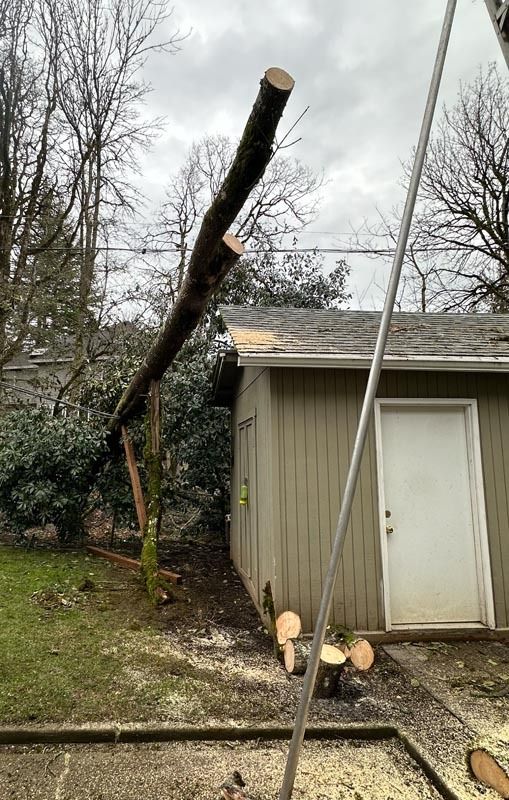
The transition of seasons often brings unpredictable weather patterns, ranging from localized thunderstorms to massive hurricanes. For homeowners, the arrival of storm season serves as a critical reminder of the responsibilities that come with property ownership. Understanding the importance of tree trimming before storms can prevent catastrophic property damage and ensure the personal safety of your family. Trees, while beautiful and ecologically vital, can quickly become hazardous when heavy winds and torrential rains test their structural stability and resilience.
By taking proactive measures, homeowners can protect their homes, vehicles, and the surrounding community from the potential harm of falling limbs or toppling trunks. This article outlines the essential steps to take for comprehensive storm preparedness. Each action step provides a detailed approach to maintaining trees in a way that minimizes risk and maximizes long-term health. Through careful planning and professional execution, the threat posed by severe weather can be significantly reduced, giving you peace of mind when the clouds begin to darken.
1. Assessing Tree Health
The first line of defense in storm preparedness is a thorough assessment of your trees' current condition. You cannot fix a problem you haven’t identified.
Identifying dead or dying branches is a crucial first step in assessing tree health. Dead branches, often referred to as "widow-makers," can become high-velocity projectiles during storms, causing structural damage to roofs or posing severe injury risks to anyone below. Homeowners should inspect their trees regularly, looking for branches that lack leaves during the growing season or exhibit signs of brittle, peeling bark. These branches are often prone to snapping with minimal force. To ensure safety, it is always advisable to remove these branches before they become a hazard.
Fungal infections can severely undermine the structural integrity of a tree from the inside out. Indicators of fungal infections include mushroom growth (conks) at the base of the tree or discolored, soft patches on the bark. These infections often signal internal decay, making trees much more susceptible to snapping under the pressure of high winds. Regular inspections can help detect these issues early, allowing for timely intervention. Consulting a professional arborist can provide guidance on whether a tree can be treated or if it requires full removal to protect your home.
Professional arborists possess the technical expertise to assess and treat various tree health issues that may not be obvious to the untrained eye. They utilize specialized tools to check for internal rot and can provide a roadmap for long-term care. According to IBISWorld, there are approximately 144,000 tree trimming service businesses operating in the United States as of 2025. This vast network of professionals means that finding a qualified expert in your local area is easier than ever, ensuring your storm prep is handled with scientific precision.
2. Pruning Techniques for Storm Resistance
Once health issues are identified, specific pruning techniques can be used to "storm-proof" the tree. Proper tree trimming is not just about aesthetics; it is about aerodynamics.
Crown thinning involves selectively removing smaller, weaker branches to reduce the overall wind resistance of the tree. This technique allows wind to pass through the canopy more easily, significantly reducing the "drag" that leads to uprooting. Thinning should be done carefully to avoid over-pruning, which can stress the tree and lead to "lion-tailing," where weight is concentrated at the ends of branches.
Crown reduction is the process of decreasing the overall height or spread of a tree's canopy. This technique is especially useful for trees that have grown too large for their location or are dangerously close to power lines or roof gables. By reducing the mass of the crown, the leverage exerted by the wind on the trunk is minimized, making the tree less likely to fail during a hurricane or gale.
Crown raising involves removing the lower branches of a tree to provide clearance for pedestrians, vehicles, or structures. This technique is vital for visibility and ensures that low-hanging limbs don't become entangled with fences or vehicles during high winds. It also improves the airflow around the base of the tree, which can help prevent certain fungal issues.
Deadwooding is the systematic removal of dead, dying, or diseased branches. This is perhaps the most essential step for reducing immediate risk. By removing dead wood, the tree's resources are redirected to healthier limbs, and the risk of "shrapnel" damage during a storm is virtually eliminated. Regular deadwooding contributes to a tree's overall vitality and keeps the area below the canopy safe for use.
Pollarding is a more intensive pruning method that involves cutting back a tree to the main stem to promote a dense head of foliage. While common in urban environments to control tree size, it must be started when the tree is young and maintained annually. This prevents the tree from ever reaching a size where it could pose a major threat to nearby buildings.
3. Timing and Safety Precautions
The "how" and "when" are just as important as the "what" when it comes to tree trimming.
The timing of your maintenance significantly impacts the tree's recovery. Late winter or early spring is typically the best time for most species, as the tree is dormant and the lack of foliage makes structural issues easier to see. Trimming during this period allows the tree to begin the healing process immediately as the spring growth spurt begins.
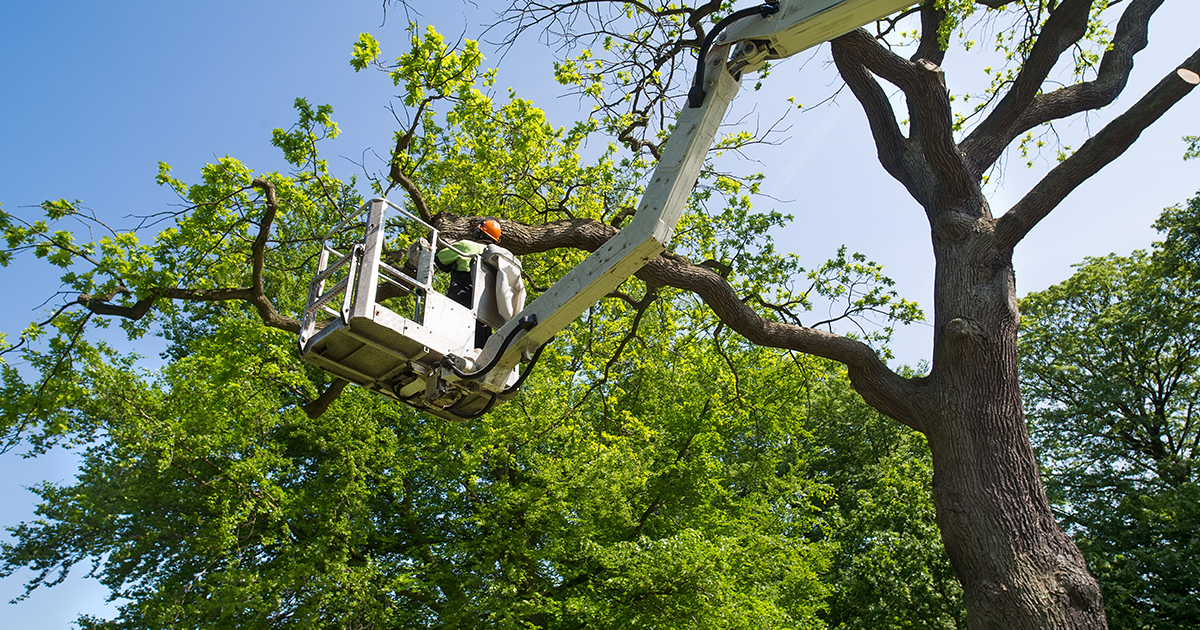
Before starting any work, you must identify potential hazards such as nearby power lines, unstable ground, or the presence of stinging insects. Working near electrical lines is extremely dangerous and should always be left to professionals. A thorough site assessment is the hallmark of a safe tree trimming operation.
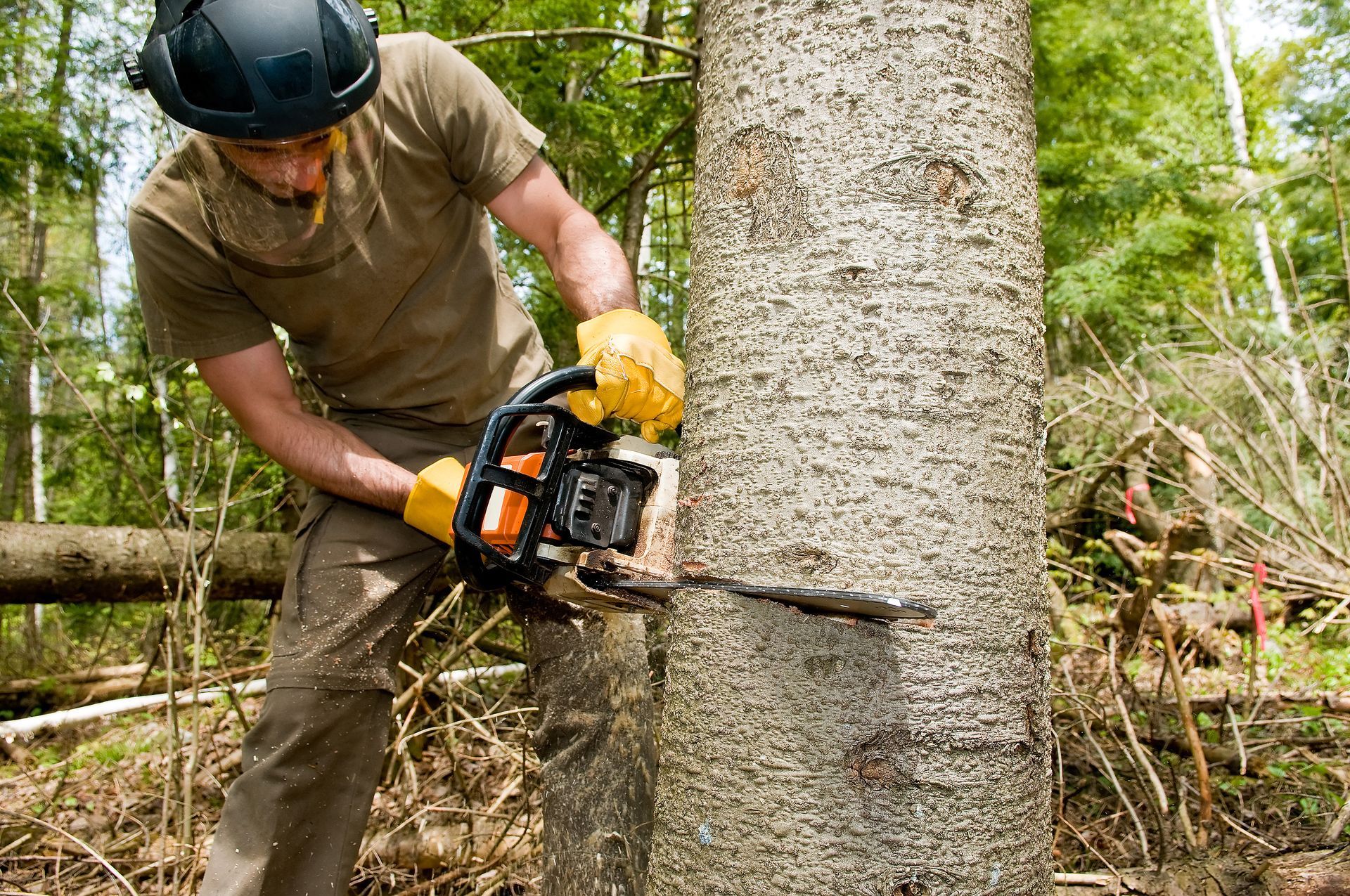
If you are performing minor maintenance yourself, using the right tools—such as sharp loppers and pruning saws—is essential. However, for any work involving heights, safety gear like helmets, eye protection, and harnesses are non-negotiable. Many accidents occur when homeowners overextend themselves on ladders; if a limb is too high to reach from the ground, it is time to call a professional service.
4. Legal and Environmental Considerations
Responsible stewardship involves more than just cutting wood; it involves following the law and respecting nature.
Many municipalities have strict ordinances regarding tree trimming, especially for native or protected species. In some areas, you may need a permit to remove a tree over a certain diameter or to prune trees in a public right-of-way. Checking with your local city hall can prevent heavy fines and legal headaches.
Trees are often home to nesting birds or squirrels. It is important to schedule your work to minimize disturbance to local wildlife, particularly during nesting seasons. Furthermore, once the trimming is complete, ensure that the waste is disposed of properly. Many services offer wood chipping, which provides excellent mulch for your garden, turning storm-prep waste into a landscape asset.
By following these urgent tree trimming steps before storms, homeowners can significantly reduce the risk of catastrophic failure and ensure the safety of their property and neighborhood. Proactive tree care not only enhances immediate safety but also contributes to the long-term health and beauty of your landscape. Implementing these measures fosters a resilient environment and promotes responsible stewardship of our natural resources.
Don't wait for the first gusts of a storm to realize your trees are a liability. For expert assistance in assessing your canopy and performing precision maintenance, contact Joe Grab Tree Service. By prioritizing professional care and safety today, you ensure a greener, safer tomorrow for your home and community.