July 1, 2026
This article explores various professional tree service practices, detailing their methods and highlighting the benefits for both trees and the surrounding environment. With the involvement of experienced arborists, these practices ensure the health and longevity of trees, which in turn contribute to a healthier ecosystem. Prioritizing proper tree service enhances property aesthetics, supports local wildlife, and ensures that a neighborhood remains vibrant and safe for everyone to enjoy.
Proper Pruning Techniques
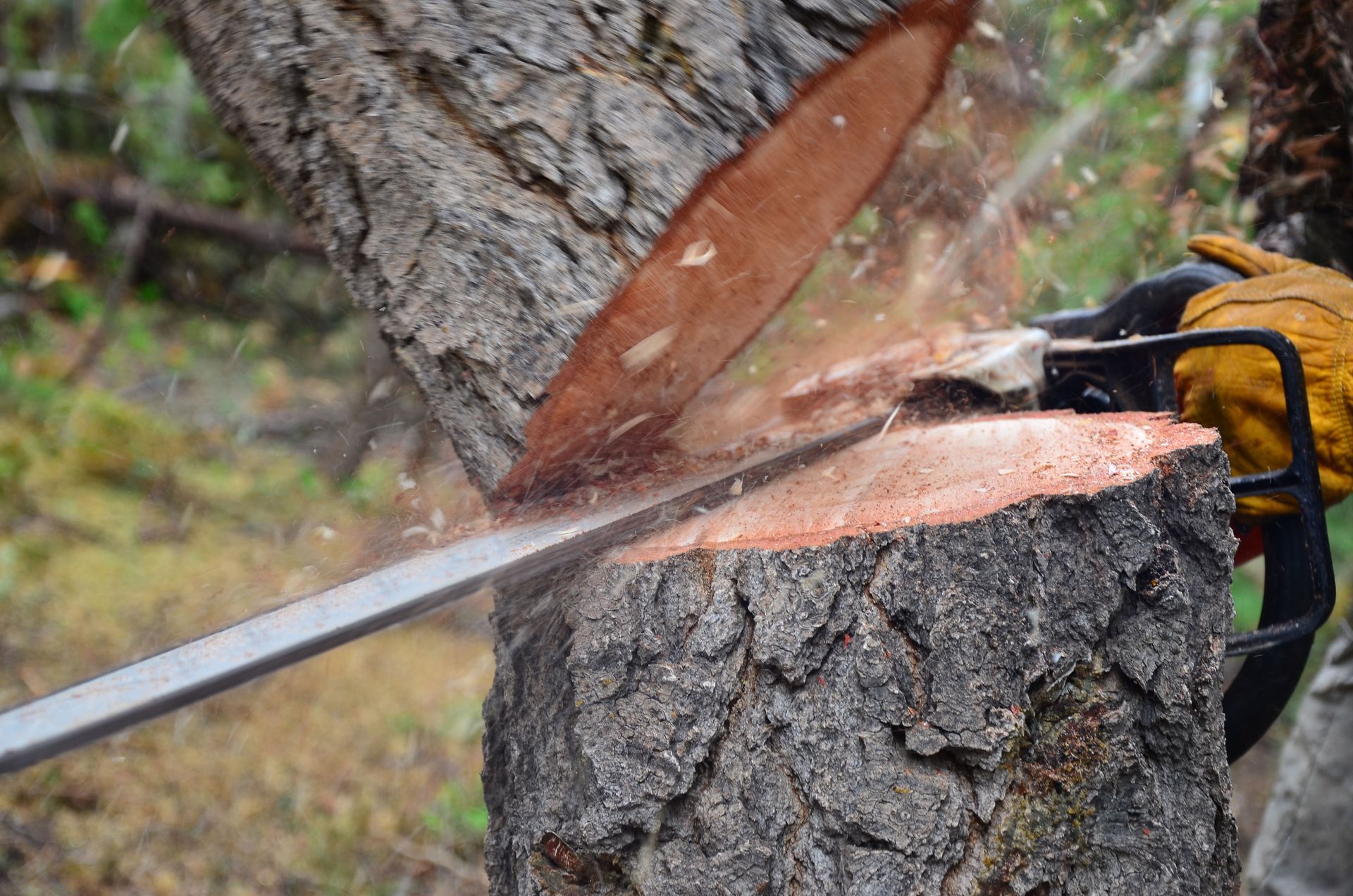
Tree anatomy forms the foundation of proper pruning techniques. Understanding the structure of branches, stems, and leaves allows arborists to make informed decisions about which areas need attention. The relationship between these parts determines how nutrients and water are distributed throughout the tree, affecting overall health and growth. Each part of the tree has a distinct function: branches support leaves for photosynthesis, stems transport nutrients, and leaves convert light into energy. Knowledge of this anatomy helps prevent common mistakes like over-pruning, which can lead to diminished tree health.
Regular pruning provides numerous benefits that enhance both the tree's appearance and health. By removing dead or diseased branches, pruning improves a tree's overall health and reduces the risk of pest infestations. It also encourages the development of strong, robust branches and leads to more appealing, aesthetically pleasing tree shapes. Moreover, trees that are regularly pruned are generally healthier and can withstand adverse weather conditions better than neglected trees. According to the Arbor Day Foundation, a fully grown tree is capable of soaking up in excess of 48 pounds of carbon dioxide on an annual basis, which underscores the environmental benefits of ensuring a healthy tree canopy.
Soil Management and Fertilization
The quality of the soil is integral to tree health and growth, serving as the primary medium for nutrients and water absorption. Healthy soil contains a balance of minerals, organic matter, air, and water, enabling roots to anchor firmly and absorb what the tree needs to thrive. Compacted or nutrient-poor soils inhibit growth and make trees more susceptible to diseases and pests. Addressing soil compaction through aeration and enriching soil with organic matter can significantly improve tree health. Arborists often recommend practices tailored to specific soil types and environmental conditions to enhance soil quality efficiently.
Proper soil management provides long-term benefits that significantly improve tree health and longevity. By enhancing soil aeration and nutrient availability, trees become more resilient and resistant to pests, diseases, and adverse weather. Over time, well-managed soils contribute to healthier root systems, promoting stronger, more robust tree growth. Improved soil conditions also support greater biodiversity within the surrounding ecosystem, leading to a more sustainable and balanced environment. Ultimately, investing in soil management enhances ecosystem services provided by trees, including carbon dioxide absorption, oxygen production, and habitat creation.
Disease and Pest Management
Tree diseases can devastate individual trees and even entire landscapes, making early identification and management crucial. Common tree diseases include fungal infections like anthracnose or powdery mildew, which affect leaves and reduce photosynthetic efficiency. Bacterial diseases such as fire blight can cause extensive damage to branches and foliage, leading to wilting and dieback. Recognizing symptoms, such as leaf discoloration, cankers, or unusual growth patterns, is essential for prompt diagnosis and treatment. Arborists are skilled at distinguishing between similar symptoms to deliver targeted, effective interventions.
Taking proactive preventive measures is key to maintaining optimal tree health and minimizing disease and pest impacts. Practices like proper pruning, soil management, and regular inspections keep trees in strong condition and less vulnerable to threats. Selecting disease-resistant tree varieties and employing frequent monitoring help build resilient urban and rural forests. Cultural practices, like mulching and maintaining healthy biodiversity, support tree health and form ecologically sound barriers to infestations. These preventive strategies bolster tree resilience, reduce economic costs, and ensure ongoing ecological benefits.
Tree Health Assessment and Care
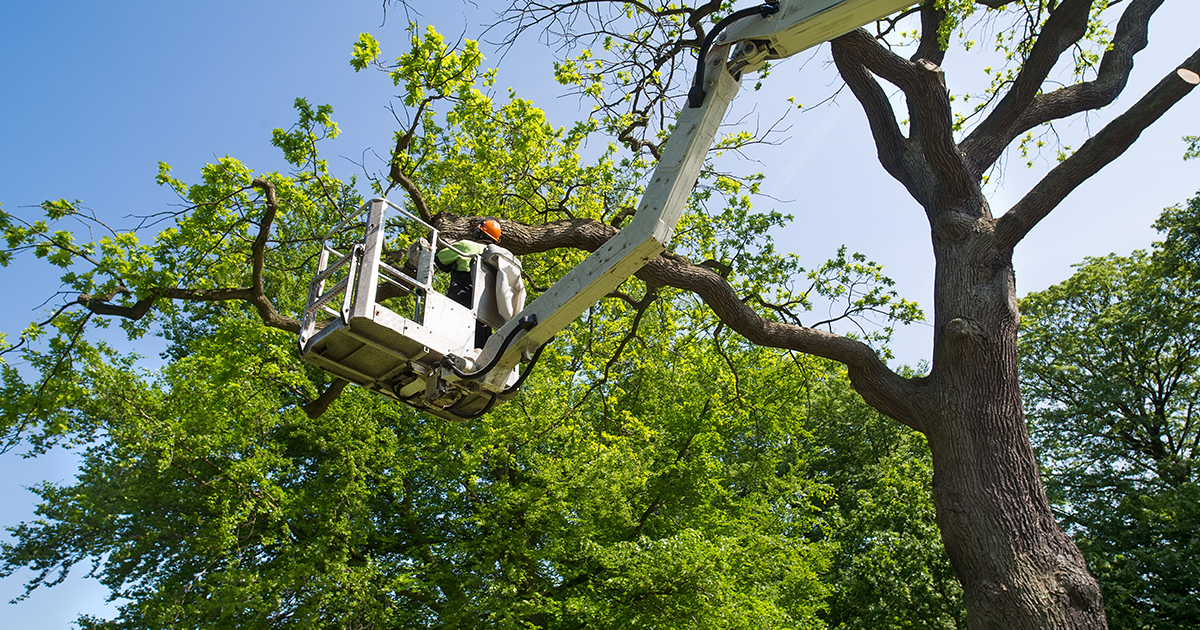
Visual inspections are a vital part of assessing tree health, involving a systematic examination of a tree's physical condition and surrounding environment. Arborists look for signs of stress, disease, or structural weakness, such as cracked bark, deadwood, or leaf discoloration. Inspections include assessments of the root zone and soil conditions, providing insights into the tree's overall health. By observing these factors, arborists can identify potential problems early and recommend appropriate actions. Regular visual inspections play an integral role in preventing issues from becoming significant, ensuring trees remain healthy and vibrant.
Regular tree health assessments yield substantial benefits, leading to early problem detection and resolution. These assessments allow arborists to track growth patterns and environmental changes, anticipating challenges before they arise. Proactive health checks contribute to preventive care and strengthen a tree's ability to withstand diseases, pests, and adverse weather. Routine assessments provide a documented history of tree health, helping to make informed decisions about care and management. With consistent evaluation, trees enjoy improved longevity, vitality, and continued contribution to the ecosystem.
Tree Risk Management
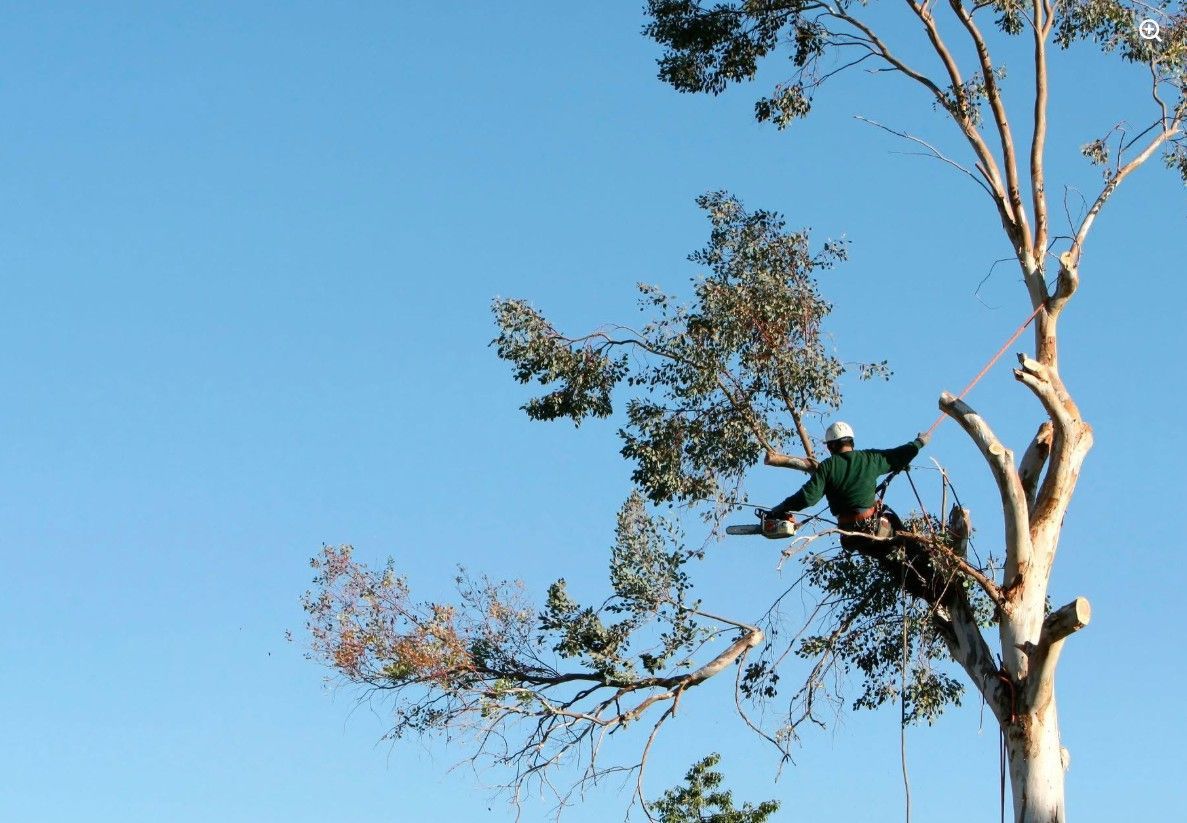
Effective tree risk management begins with identifying potential hazards that trees may pose to nearby structures or individuals. Risks commonly include weak limbs, root issues, or trees growing too close to power lines. Arborists assess factors like tree species, age, and site conditions to determine the likelihood of failure or damage. Early identification prevents costly damage to property and keeps public spaces safe and accessible. By promptly addressing potential hazards, arborists maintain the balance between tree conservation and safety requirements across diverse landscapes.
Structural reinforcement techniques, such as cabling and bracing, enhance tree stability while preserving their natural stature and ecological value. Cabling involves installing flexible steel cables to support weak branches and redistribute mechanical stress, reducing the likelihood of breakage. Bracing uses rigid rods inserted into tree limbs to provide additional stabilization for splits or fissures. These methods minimize hazards in urban settings, allowing trees to thrive in otherwise challenging conditions. Reinforcement techniques are applied according to established best practices, ensuring both tree safety and structural integrity.
Effective risk management strategies are essential in reducing liability associated with trees, protecting property owners and municipalities alike. By identifying hazards and implementing mitigation steps, arborists minimize the chance of accidents or damage. Documentation of risk assessments and remedial actions also protects against potential litigation. Collaborations with stakeholders, including city planners and homeowners, ensure that liability-reduction efforts are comprehensive and focused on community. Prioritizing risk management not only safeguards legal interests but also fosters public confidence and appreciation for green space stewardship.
Urban Tree Service and Management
Trees in urban environments face unique challenges, including pollution, limited space, and human activities that affect their health and growth. Urban soils can be compact and low in nutrients, making it difficult for roots to access necessary resources. Pollution from vehicles and industries, along with inadequate drainage, further complicates tree health in cities. Limited space can restrict natural growth patterns, leaving urban trees vulnerable to mechanical damage from vehicles or construction activities. Addressing these challenges requires a strategic approach to tree service that enhances resilience and adaptability.
Planting trees in urban areas requires specific techniques to account for space, soil quality, and environmental conditions. Preparing the planting site involves addressing soil compaction for better drainage and root growth. Techniques like structural soil or suspended pavement systems provide root space without compromising public infrastructure. Proper planting depth and mulching are crucial, reducing stress and improving moisture retention. Attention to these details ensures young trees establish effectively, allowing them to mature into healthy, long-lasting urban fixtures that enhance the environment over time.
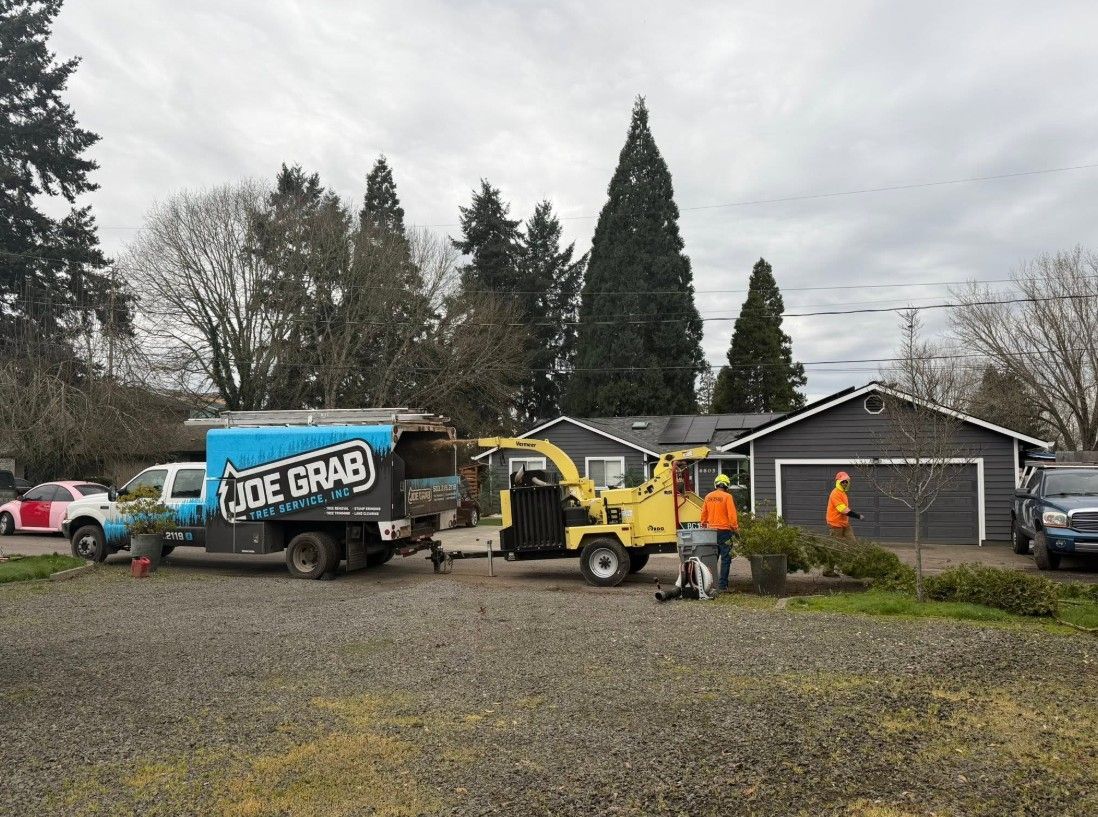
Effective urban tree management yields a multitude of benefits, significantly enhancing city living conditions. Trees help mitigate air pollution, absorbing pollutants and improving overall air quality. They also reduce urban heat islands, lowering temperatures in cities and improving comfort and energy efficiency. Moreover, urban trees enhance city aesthetics, providing a welcoming environment that increases property values and supports economic vitality. Beyond these tangible advantages, well-managed urban trees foster community cohesion and promote mental and physical well-being through increased interaction with natural settings. For exceptional local tree service, home and property owners can confidently count on Joe Grab Tree Service.