October 30, 2026
Trees contribute beauty, shade, and character to residential properties, but maintaining their health requires attention and proper care. Overgrown branches, damaged limbs, and uneven growth can create safety concerns while affecting a tree's appearance. Recognizing when professional assistance is necessary helps property owners protect their landscapes and prevent avoidable problems. Although some minor yard maintenance can be handled independently, tree care often requires specialized equipment, knowledge, and careful planning. Understanding the warning signs that indicate a tree needs attention makes it easier to determine when professional tree trimming is the right choice for maintaining a safe, attractive, and healthy outdoor space. Consistent care also helps preserve curb appeal, protect nearby structures, and keep outdoor spaces comfortable for everyday activities throughout changing seasons.
Recognize Overgrown or Unbalanced Branches
Excessive branch growth can gradually change a tree's shape and interfere with its surroundings. Branches that extend over rooftops, driveways, walkways, or neighboring properties may become difficult to manage without professional assistance. Dense growth can also block sunlight from reaching gardens and lawns, making it harder to maintain a balanced landscape. When branches begin crowding nearby structures or extending into frequently used areas, it may be time to consider professional tree trimming to restore appropriate clearance.
Uneven growth can also indicate that a tree needs attention. Heavy branches concentrated on one side may affect the tree's balance, particularly when strong winds place additional pressure on the canopy. Professionals can evaluate the overall structure and identify branches that should be removed or reduced. Rather than cutting randomly, an experienced tree care specialist considers how each removal affects the tree's stability, appearance, and continued development. This thoughtful approach helps preserve the natural shape while addressing problematic growth.
Identify Dead, Damaged, or Diseased Limbs
Dead branches are important warning signs because they can break away unexpectedly. A limb that has lost its leaves during the growing season, appears brittle, or shows extensive decay may require closer inspection. Damaged branches can also develop after storms, when wind and falling debris leave limbs cracked or partially detached. These conditions create potential hazards, especially when branches hang above entrances, outdoor seating areas, parking spaces, or other places where people regularly gather.
Disease and decay can make the situation more complicated. Discolored foliage, unusual growths, damaged bark, and sections of a canopy that appear to be declining may indicate an underlying problem. Not every symptom means a tree is diseased, but unexplained changes deserve attention. Professional tree trimming can remove certain affected branches when appropriate, while a qualified tree care specialist can help determine whether additional evaluation or treatment is necessary. Addressing these concerns promptly may help protect surrounding vegetation and prevent weakened limbs from becoming more dangerous.
Evaluate Branches Near Buildings and Utility Lines
Branches growing close to buildings can cause problems as they continue to expand. Limbs that touch roofs may scrape shingles, collect debris, or provide pathways for pests to reach structures. Branches extending against siding, gutters, windows, or outdoor equipment can also create maintenance challenges. During storms, these limbs may move against nearby surfaces and increase the possibility of property damage. Maintaining suitable clearance helps protect buildings while allowing trees to remain attractive features of the landscape.
Utility lines require particular caution. Branches growing into or near electrical wires can create serious hazards that should never be addressed through ordinary do-it-yourself cutting. Property owners should contact the appropriate utility provider or qualified professionals authorized to perform the work. Depending on the circumstances, tree trimming may help manage vegetation near structures, but electrical hazards require specialized procedures and equipment. Never attempt to cut a branch that is touching or entangled with a power line. Keeping a safe distance and arranging qualified assistance is the responsible course of action.
Respond to Storm Damage and Sudden Changes
Severe weather can leave trees with split limbs, hanging branches, broken tops, and damaged canopies. Even when a tree remains standing, its structure may be compromised in ways that are not immediately obvious. A branch that appears secure from the ground could have a hidden crack or weakened attachment. After a significant storm, inspecting the visible condition of trees can help property owners recognize potential problems before normal outdoor activities resume.
Professional evaluation is particularly important when large limbs are suspended overhead or a tree appears to be leaning unexpectedly. Cracks in the trunk, exposed roots, and substantial soil movement may indicate instability that ordinary pruning cannot resolve. In these circumstances, tree trimming alone may not be sufficient, and a qualified specialist should determine the safest response. Property owners should keep people and pets away from hazardous areas until the situation has been assessed. Prompt attention can reduce the likelihood of additional damage and help clarify whether pruning, further monitoring, or another intervention is appropriate.
Maintain Healthy Growth and Seasonal Appearance
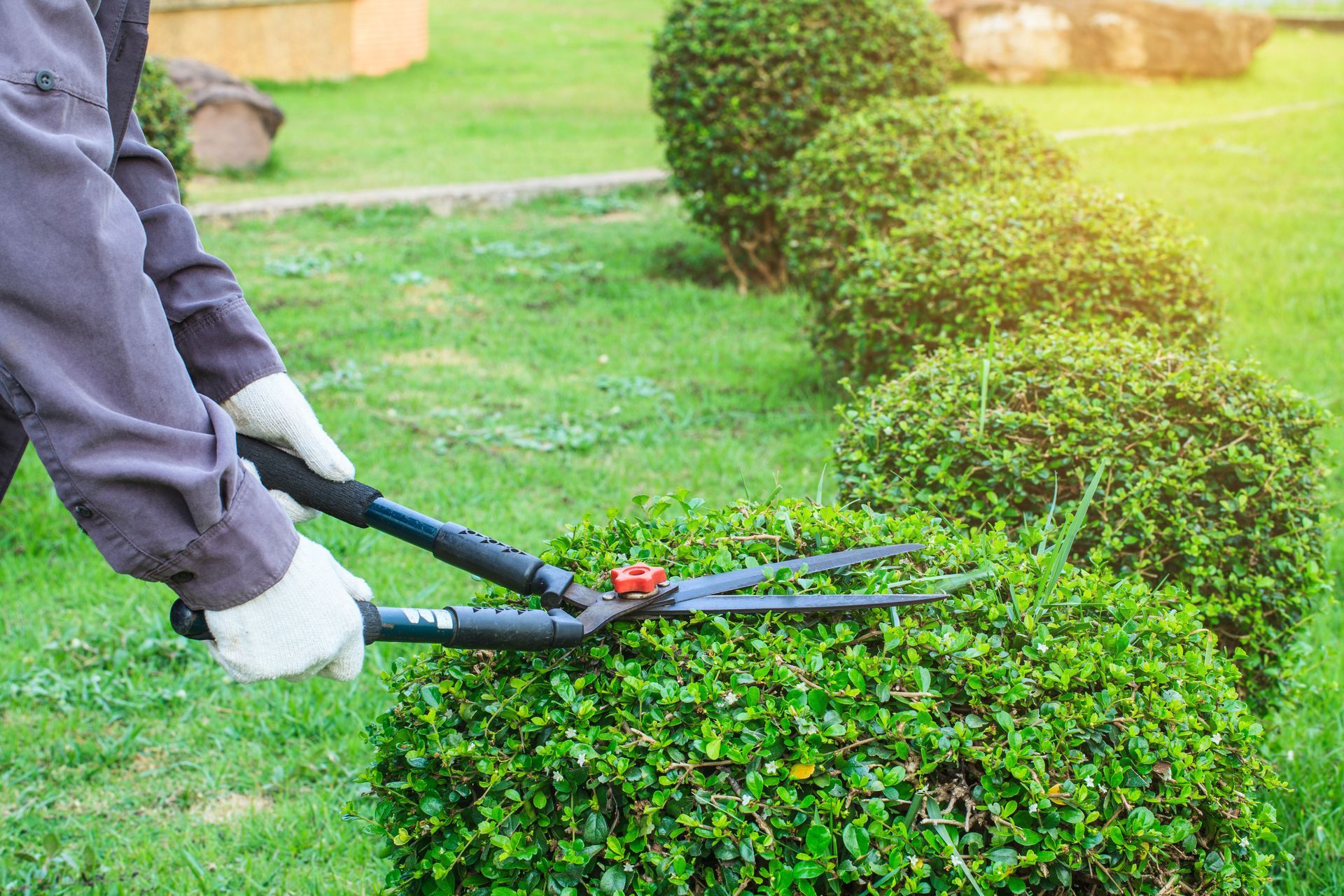
Routine maintenance helps trees retain an attractive shape and develop a stronger, more manageable canopy. Removing selected branches can improve airflow, reduce overcrowding, and allow sunlight to reach interior portions of the tree. However, excessive cutting can stress a tree, interfere with its natural development, and leave it vulnerable to additional problems. Proper pruning depends on the species, condition, growth pattern, and time of year, making professional guidance valuable when the appropriate approach is uncertain.
Seasonal maintenance is also a common reason property owners seek professional assistance. According to Zipdo, 62 % of U.S. homeowners arrange for tree service at least once per year, and many of these appointments involve seasonal upkeep. Regular evaluations allow professionals to identify developing concerns, address unwanted growth, and recommend maintenance suited to the property's landscape. Rather than waiting until branches become hazardous or a tree's appearance deteriorates, homeowners can establish a maintenance routine that supports long-term health and helps keep outdoor spaces looking their best.
Choose Professional Help for Difficult Tree Work
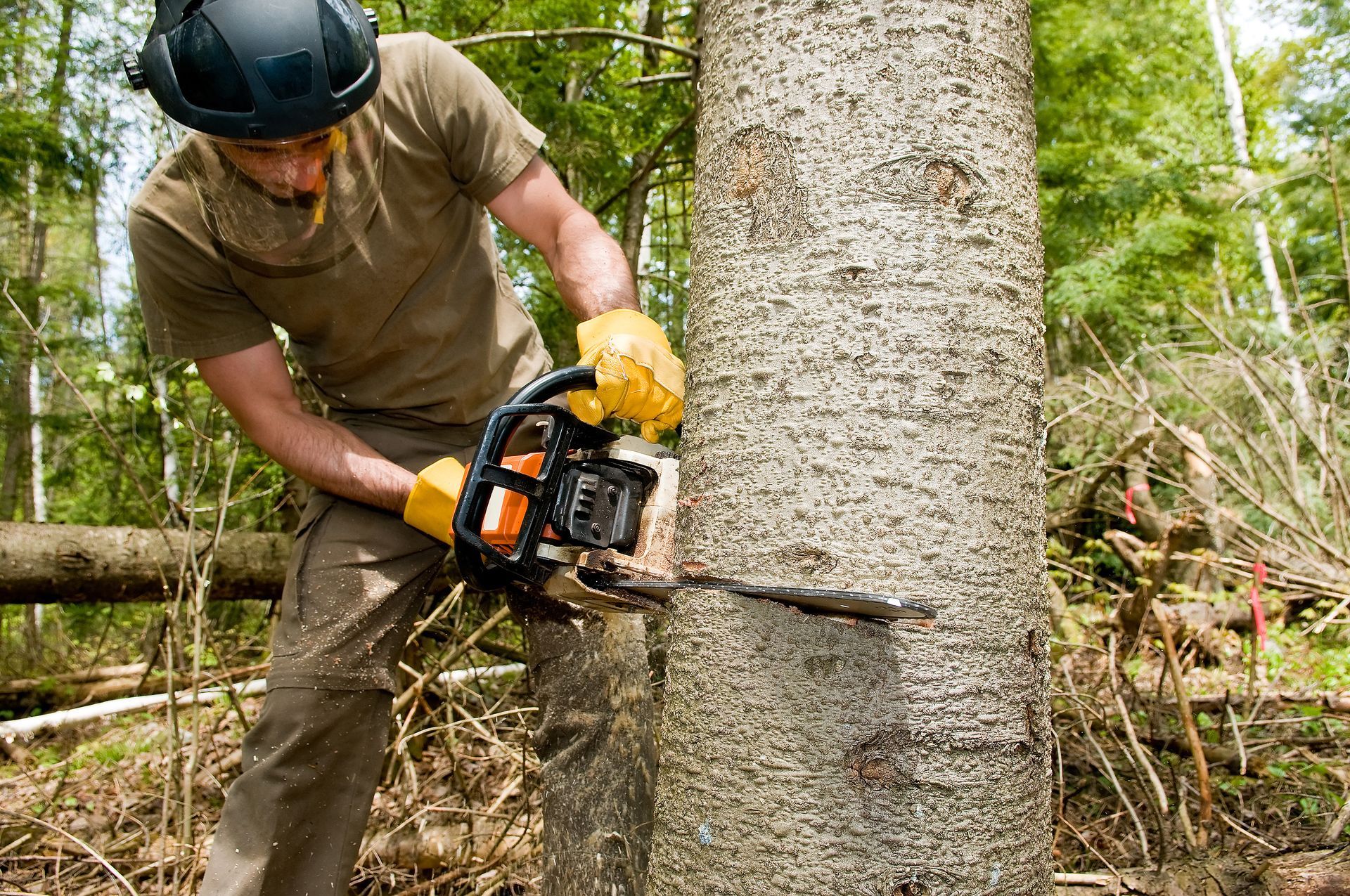
Some tree care tasks involve risks that extend beyond the difficulty of making a clean cut. Working at height, handling heavy limbs, operating specialized equipment, and managing branches near structures all require appropriate training and safety precautions. A seemingly manageable branch can shift unexpectedly during removal, potentially damaging property or causing serious injury. Professional assistance is especially important when the work involves large trees, elevated limbs, restricted spaces, or branches that could fall onto buildings and other valuable features.
Before arranging service, property owners should look for a provider who can explain the recommended work and its purpose. A careful assessment should consider the tree's condition, surrounding structures, access limitations, and any visible safety concerns. Reputable professionals can distinguish between branches that need removal and growth that should remain to preserve the tree's structure. They can also explain whether pruning is sufficient or whether another form of care would be more appropriate. Choosing qualified assistance helps property owners make informed decisions without taking unnecessary risks.
Healthy trees require more than occasional attention, and recognizing early warning signs can make a meaningful difference in landscape safety and appearance. Whether branches are overgrown, limbs show signs of damage, or storm conditions have created new concerns, professional guidance can help determine the right next step. Do not wait for a hazardous branch to become a costly problem. Contact Joe Grab Tree Service to schedule an evaluation and take the next step toward safer, healthier, and better-maintained trees.