October 27, 2026
Every property has unique landscaping features, potential hazards, and outdoor maintenance requirements. When a tree becomes damaged, diseased, overgrown, or poorly positioned, removing it may help protect nearby structures and improve the usability of your yard. However, the right approach depends on the tree's condition and how its removal could affect the surrounding area.
Professional tree services evaluate these factors before determining the best course of action. By considering your property's layout, safety concerns, and plans for the future, experienced crews can customize local tree removals to address your specific needs while minimizing disruption to your landscape.
Assessing Your Property Before Removing a Tree
Evaluating Tree Health and Structural Stability
The first step in planning a tree removal project is assessing the tree's overall condition. Dead branches, trunk cracks, fungal growth, leaning trunks, and exposed roots may indicate structural problems that require attention. A professional evaluation helps determine whether the tree presents an immediate hazard or whether removal can be scheduled as part of routine property maintenance.
The tree's condition also influences the techniques needed to complete the work safely. A healthy tree that interferes with a planned addition presents different challenges than a decaying tree with weakened limbs. During local tree removals, professionals consider these distinctions to develop an appropriate plan for the property's circumstances.
Considering Nearby Structures and Landscaping
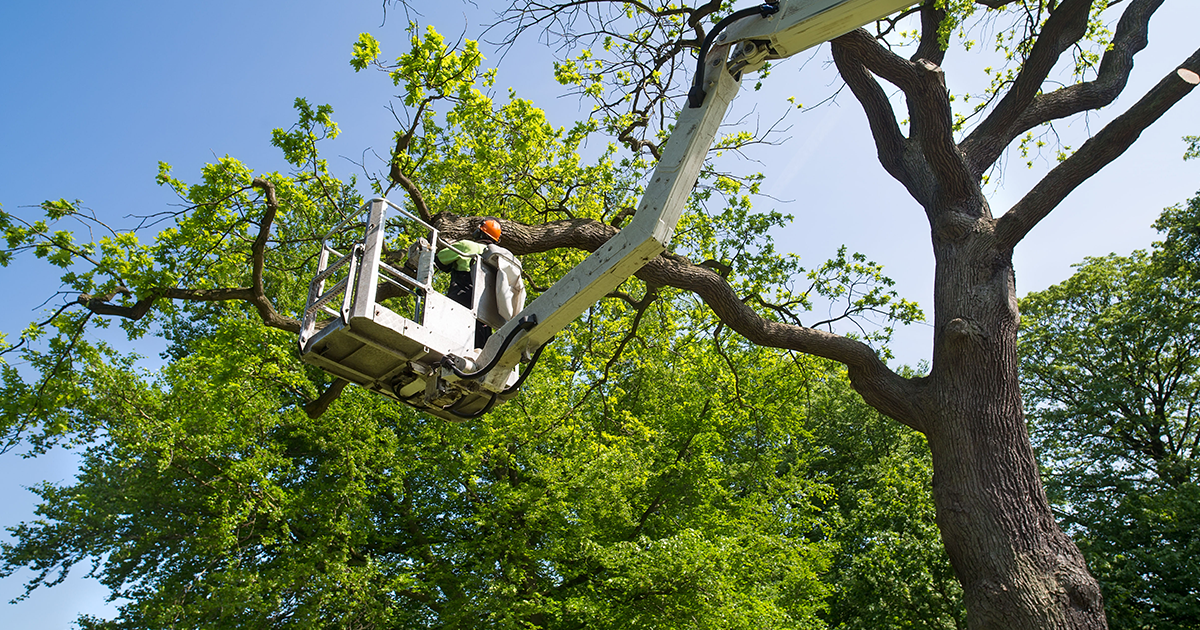
A tree's location can significantly influence how it must be removed. Trees growing close to houses, garages, fences, driveways, and outdoor living areas may require careful sectional removal rather than being felled in one direction. Crews evaluate the available space, the tree's height, and the position of its branches to determine how each section can be lowered safely.
Existing landscaping also deserves consideration. Gardens, retaining walls, decorative features, and neighboring trees can be vulnerable to falling limbs or heavy equipment. A customized removal plan accounts for these obstacles and identifies suitable access routes for the crew. This preparation helps protect the property's existing features while allowing the team to work efficiently.
Identifying the Property Owner's Goals
Not every tree removal begins with an immediate safety concern. Some homeowners want to increase natural light, improve their views, create space for a patio, or prepare an area for construction. Others need to address trees whose roots interfere with underground utilities or threaten nearby structures.
Understanding these objectives helps professionals recommend an approach that supports the property's intended use. For example, removing a tree that blocks sunlight may require different planning than clearing several trees for a building project. By discussing your priorities before work begins, a tree service can tailor local tree removals to deliver practical results without overlooking important property considerations.
Choosing the Right Removal Approach for Each Situation
Adjusting Techniques to the Tree's Size
Tree size is one of the most important factors affecting the removal process. Smaller trees may have enough surrounding clearance for straightforward removal, while taller specimens often require more extensive planning, specialized equipment, and controlled cutting techniques. The tree's trunk diameter, branch structure, and overall weight also influence how crews approach the job.
According to HomeAdvisor, removing a small tree may take only a few hours, whereas a medium-sized tree may require half a day and a large tree may take one to two full workdays. These estimates illustrate why professionals assess each tree individually rather than applying the same schedule to every project.
Managing Hazardous and Storm-Damaged Trees
Trees damaged by severe weather can require a different approach from those removed under normal conditions. High winds, heavy ice, and saturated soil can weaken root systems, split trunks, and leave branches suspended in unstable positions. These conditions may create immediate risks for residents, vehicles, and nearby structures.
A professional crew evaluates the extent of the damage and determines how to secure the work area before removal begins. Trees leaning toward buildings or resting against structures may require controlled cutting and careful coordination to prevent further damage. Tailoring local tree removals to storm-related conditions helps address urgent risks while accounting for unstable wood and restricted working space.
Planning for Stump Removal and Site Cleanup
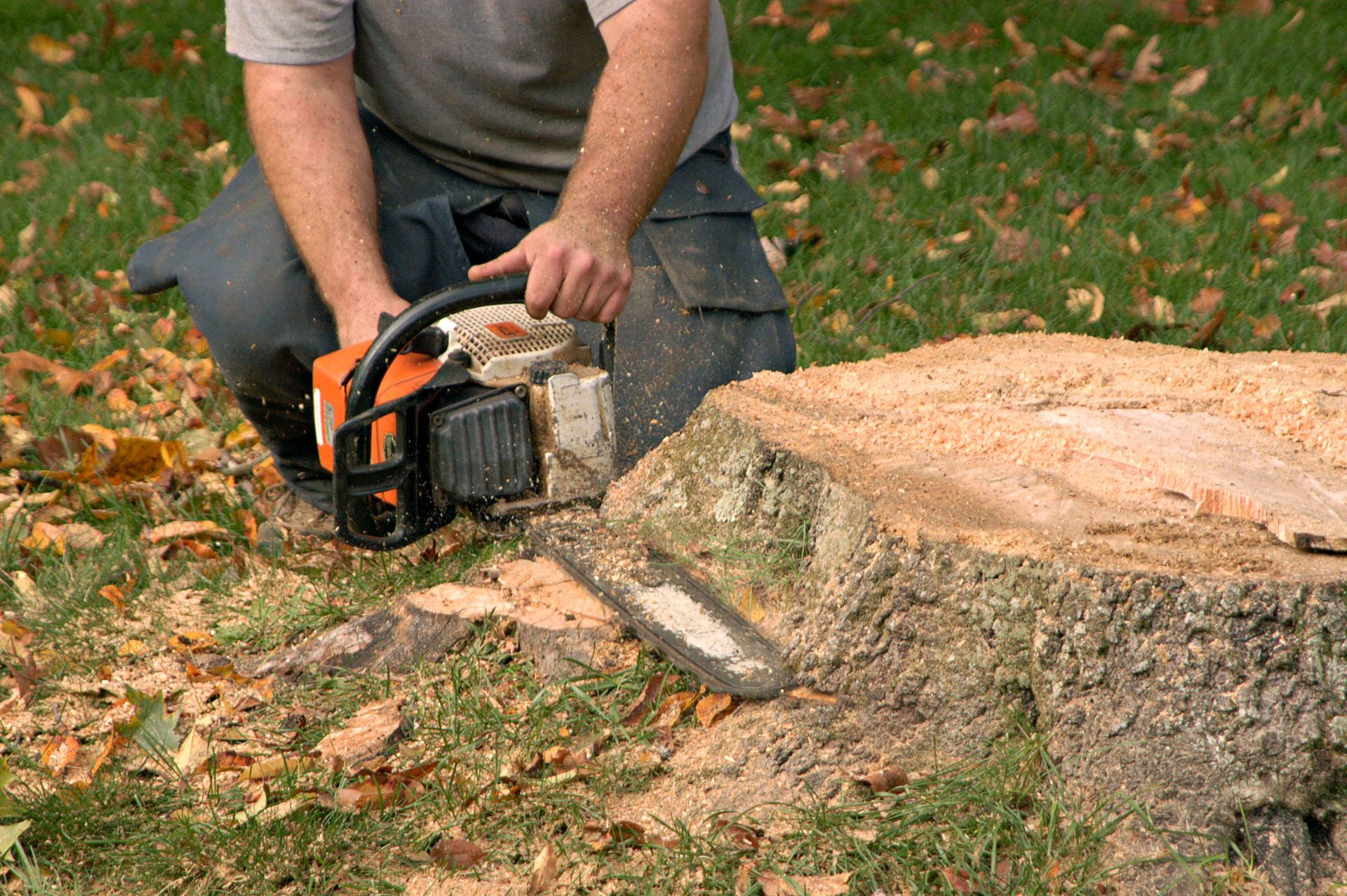
Removing the visible portion of a tree does not necessarily complete the project. Depending on your plans for the property, you may also need stump grinding or more extensive stump removal. Grinding can reduce a stump below ground level, creating space for certain landscaping improvements, while complete removal may be appropriate when the area needs more substantial preparation.
The best option depends on how you intend to use the space afterward. A homeowner planning to install grass may have different requirements from a homeowner preparing an area for a new walkway, garden, or structure. A comprehensive service plan should also establish how branches, logs, leaves, and wood chips will be handled so the site is left ready for its next use.
Preparing Your Landscape for Long-Term Use
Protecting Remaining Trees and Plants
When one tree must be removed, preserving the surrounding landscape can remain a priority. Nearby trees, shrubs, flower beds, and established root systems may need protection from falling branches, equipment movement, and the handling of heavy wood. Professionals consider these features when planning access routes and determining where removed tree sections can be placed.
Selective removal can also support the health of the remaining landscape. A diseased tree may threaten nearby vegetation, while overcrowded growth can restrict sunlight and available growing space. By evaluating how each tree relates to the surrounding environment, professionals can tailor local tree removals to address immediate concerns while helping preserve valuable landscape features.
Coordinating Removal With Future Projects
Home improvement and landscaping plans often influence when and how a tree should be removed. If you intend to expand a driveway, install a fence, build an addition, or redesign your yard, removing an obstructive tree beforehand may simplify later work. Coordinating the schedule with other contractors can also help reduce unnecessary delays and repeated site preparation.
Before proceeding, homeowners should identify relevant property boundaries, underground utilities, access restrictions, and permitting requirements. Depending on the location and project, local rules may regulate the removal of certain trees. Discussing these considerations early helps ensure the work supports your plans and addresses any requirements before the crew arrives.
Understanding Scheduling and Service Expectations
Successful local tree removals involve more than just selecting a date. Homeowners should understand the anticipated scope of work, the equipment required, the expected duration, and the cleanup arrangements. Clear communication before the crew arrives helps establish realistic expectations and reduces the likelihood of misunderstandings during the project.
Scheduling may also depend on weather conditions, tree stability, site accessibility, and whether the removal is an emergency. Before work begins, ask about the planned process and any preparation required on your part, such as moving vehicles or keeping people away from the work area. A well-organized service plan keeps the project focused on safety, efficiency, and your property's needs.
Tree removal should reflect the specific conditions of your landscape, from tree health and size to nearby structures and future improvement plans. A professional assessment helps determine appropriate removal techniques, address potential hazards, and establish a practical cleanup strategy. With careful planning, local tree removals can improve property safety, preserve surrounding landscape features, and create space for your next project. Contact Joe Grab Tree Service to discuss your property's needs and arrange an evaluation for your tree removal project.