September 1, 2026
Navigating the removal of massive timber from a congested suburban lot or a narrow urban backyard is one of the most technical challenges in modern arboriculture. When giant trunks loom over rooftops, power lines, and delicate landscaping, standard felling methods are completely off the table. We specialize in precision techniques that allow us to dismantle towering giants piece by piece without impacting your surrounding property. Managing tight-space extractions requires deep technical knowledge, advanced rigging gear, and seamless teamwork to ensure every movement is controlled down to the inch. Whether dealing with a towering pine squeezed between two homes or a decaying oak leaning toward a driveway, selecting a qualified team for local tree removal makes all the difference between a seamless job and an expensive catastrophe.
Evaluate the Constraints of Confined Work Spaces
Removing giant trees from tight spaces is inherently challenging due to severely restricted access paths. Narrow alleys, crowded residential settings, and proximity to neighboring structures demand precise maneuvering before any cutting begins. We must carefully evaluate these physical constraints to determine the most viable methods for entering and operating within these confined areas safely. Often, heavy standard equipment cannot be driven directly onto the lawn, necessitating creative rigging solutions to reach the canopy effectively.
Working around existing structures presents another major hurdle that requires constant vigilance and specialized gear. Trees frequently grow right along fence lines, near back patios, or underneath overhead utility wires, making it crucial to avoid damaging nearby property. We perform detailed site assessments to map out potential obstacles, underground utility lines, and drop zones. According to Home Advisor, when a tree surpasses an 80-foot height threshold, bringing a crane on-site becomes the probable approach by a local tree removal company for hoisting heavy sections. Each phase needs to be planned meticulously, taking into account the weight, lean, and structural balance of the trunk before sending a climber into the canopy.
Beyond structural boundaries, we must also account for environmental factors like local ecosystem protection and weather conditions. Removing a massive canopy can alter shade patterns and disrupt local wildlife, requiring careful timing to mitigate ecological disturbance. Furthermore, weather patterns in Washington, Clackamas, and Multnomah, OR counties can shift rapidly, bringing sudden wind gusts or heavy rain that compromise traction and sightlines. Rain-slicked bark and strong gusts make tight-space maneuvers exponentially more hazardous, forcing us to adjust our rigging angles or wait for safer conditions. Executing local tree removal under these conditions demands exceptional accuracy, clear communication, and unyielding focus from every crew member on the ground and in the air.
Plan the Extraction and Assess Structural Risks
The initial phase of any complex extraction starts with a comprehensive site inspection to identify existing hazards and structural vulnerabilities. We evaluate nearby roofs, power drops, soft turf, and spatial limitations to construct a watertight operational safety plan. Identifying these site-specific risks early allows us to select the exact rope lengths, friction brakes, and lowering devices needed for the job. Conducting a thorough risk assessment prevents unexpected complications once heavy timber starts moving through the air.
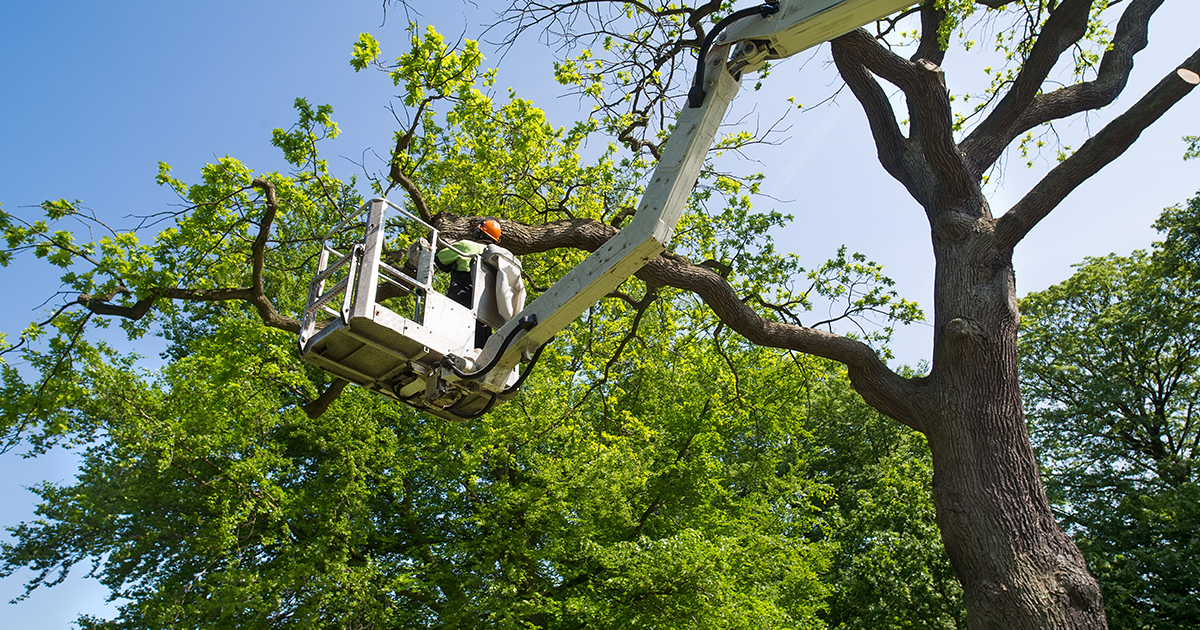
Evaluating the internal health and stability of the timber itself is equally critical during the planning stage. We check the trunk and major scaffold limbs for signs of internal decay, fungal fruiting bodies, hollow cavities, and structural cracks. A tree that is structurally compromised presents heightened risks, as compromised wood can react unpredictably under the tension of rigging ropes. Understanding how the wood will behave as weight is relieved guides our cutting sequence and tells us whether it is safe to climb or if we must use an aerial lift or crane.
Utilize Specialized Rigging and Lifting Equipment
The success of extracting large timber from tight quarters relies heavily on choosing the right mechanical advantage tools. Specialized machinery, including compact track lifts, mini-skid steers, and heavy-duty stump grinders, allows us to work efficiently inside narrow backyards without destroying lawns or hardscaping. Advanced rigging equipment, such as low-stretch bull ropes, friction bollards, and arborist blocks, enables us to redirect heavy forces away from nearby structures. Having access to top-tier machinery ensures that even the most constrained yards remain accessible for safe local tree removal.
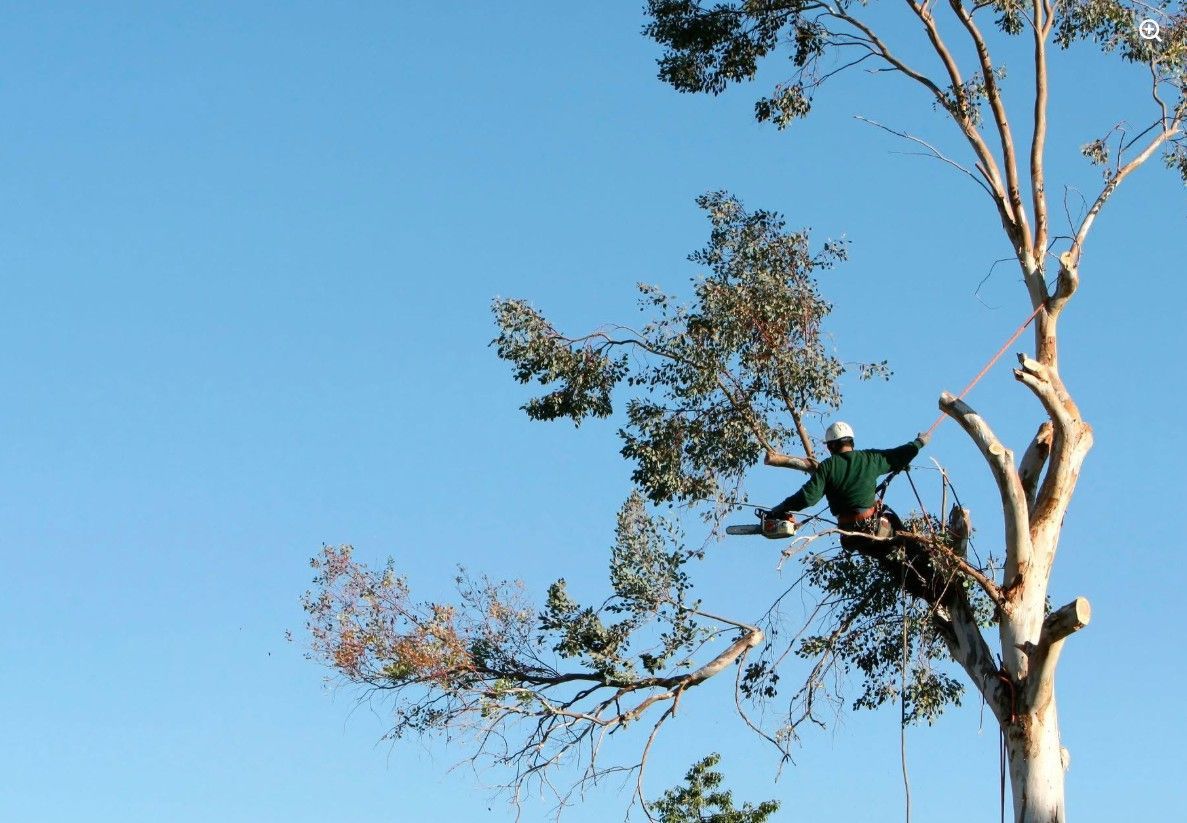
Rope and pulley systems form the backbone of controlled sectional dismantling when space directly below the canopy is zero. By establishing strategic rigging points high in the tree, we can lift cut sections up and away from a roof before lowering them gently to a designated drop zone. These systems distribute dynamic loads safely through the rigging anchor points, preventing free-falling debris from striking fences, garden beds, or windows. Precision rigging transforms dangerous drops into smooth, highly controlled descents.
Implement Strict Protocols for Site Safety
Implementing comprehensive safety protocols on every job site protects our crew, your family, and your surrounding neighborhood. Our team undergoes continuous training in advanced rigging dynamics, aerial chainsaw operation, and emergency rescue procedures. Adhering to strict safety guidelines forms the foundation of our daily operations, ensuring that every cut is calculated and every load is accounted for. This rigorous preparation allows us to execute complex local tree removal jobs with complete confidence.
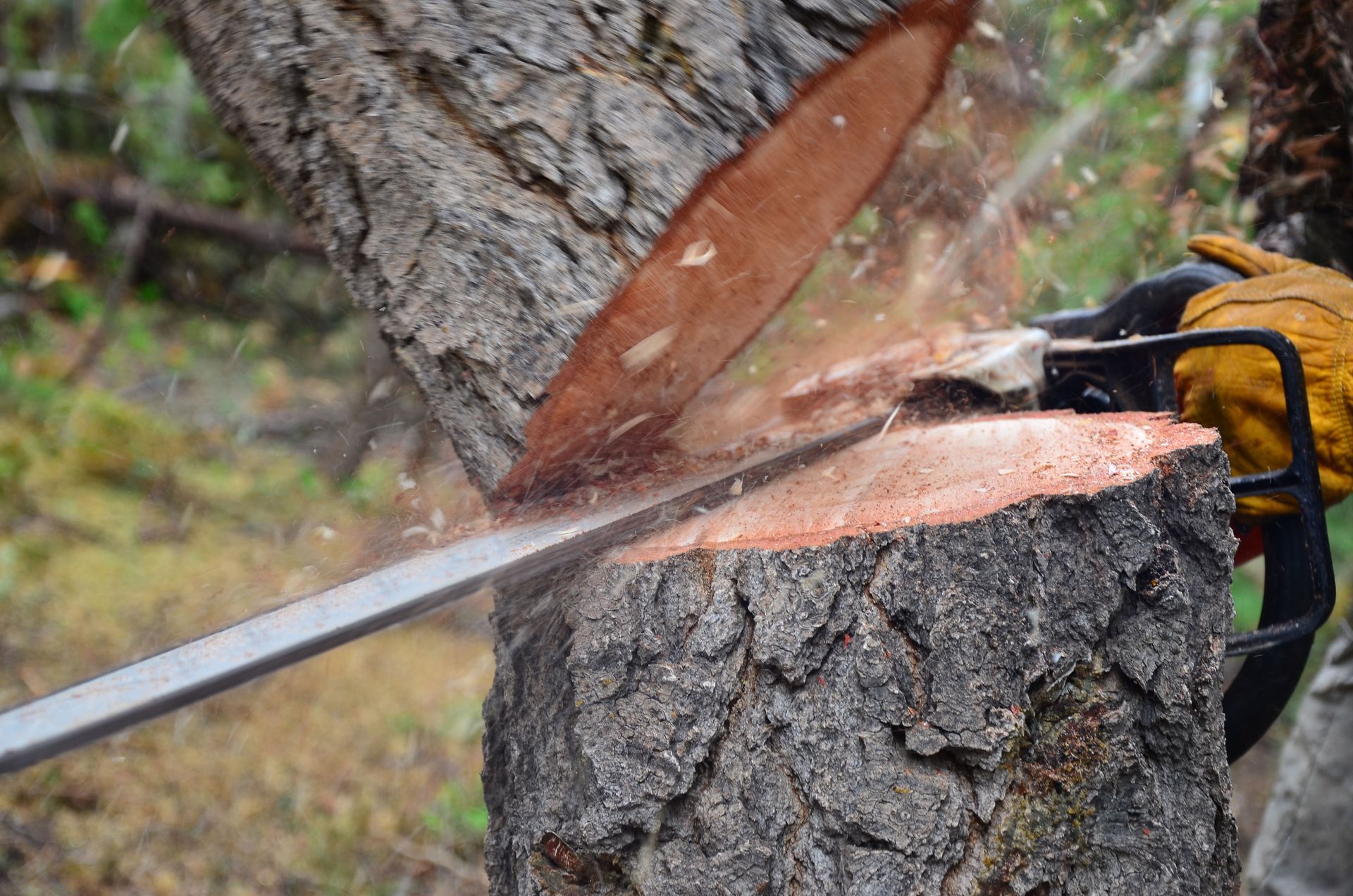
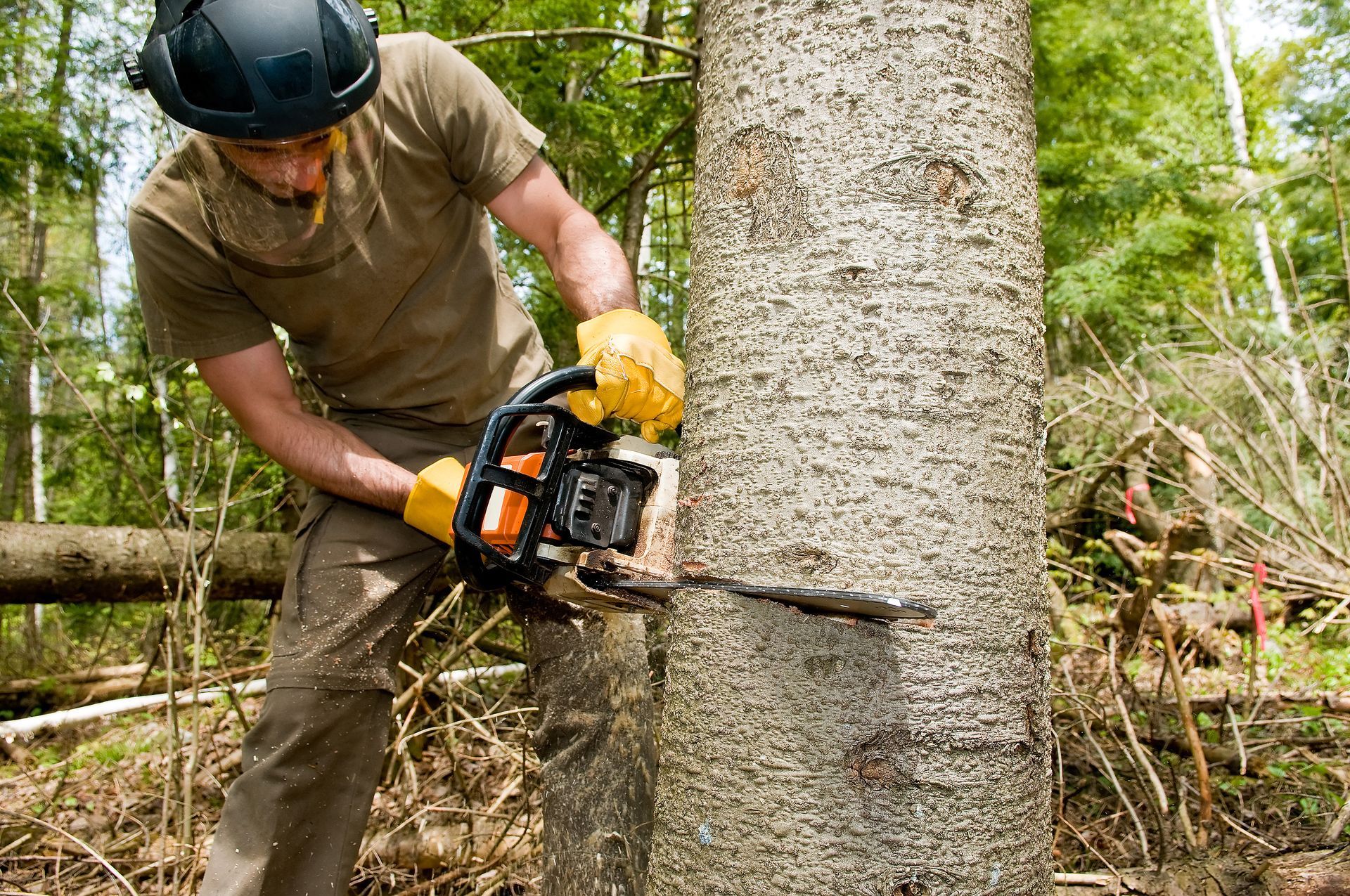
Personal protective equipment is non-negotiable on our work sites. Personal protective gear, including Kevlar chainsaw chaps, arborist-rated helmets, eye protection, high-visibility apparel, and steel-toe boots, keeps our workers safe under heavy operating conditions. Specialized climbing harnesses and dual-lanyard positioning systems keep climbers secure while operating chainsaws high above the ground.
Effective ground-to-tower communication is essential when chainsaws and wood chippers are running simultaneously. We utilize hands-free Bluetooth helmet intercom systems alongside standardized hand signals to maintain constant communication between the climber, crane operator, and ground crew. This real-time feedback loop ensures that rope technicians are ready before a cut is made and that drop zones are clear before any wood is lowered. Securing the perimeter with safety cones and warning tape further prevents unauthorized foot traffic from entering active work zones. Continuous site monitoring throughout the day allows us to adapt instantly if weather or load dynamics change.
Restore the Landscape and Support the Homeowner
After the final log is loaded onto the truck, we conduct a thorough sweep for residual hazards and loose debris. We inspect remaining nearby trees for structural stability and clean up all stray twigs, sawdust, and leaves from driveways and lawns. Ensuring the site is completely secure and free of debris prevents post-job hazards and leaves your yard looking immaculate. This meticulous attention to detail guarantees that your outdoor space is safe for immediate use.
Soil and landscape recovery steps help your yard bounce back after heavy foot traffic and equipment use. Lawn aeration, topsoil leveling, and raking help restore compacted turf back to a healthy state. For property owners looking to fill the newly opened space, we offer advice on planting replacement trees or shrubs that fit the yard's scale better. Choosing smaller, slow-growing native species prevents future space conflicts while maintaining the greenery and shade value of your property.
Providing clear guidance on long-term landscape care helps homeowners maintain a safe, beautiful yard for years to come. We offer expert advice on routine tree trimming and pruning, structural tree cabling, and thinning and deadwooding for other mature trees on your property. Regular maintenance helps prevent structural failures before they become hazardous, reducing the need for urgent local tree removal down the line. Keeping up with routine arborist care preserves your remaining trees and protects your home's curb appeal.
Safely extracting a massive tree from a tight space requires an exceptional level of planning, specialized gear, and field experience. From precision rigging and crane operations to thorough ground cleanup, professional arborists ensure that complex removals are executed cleanly without risking damage to your home or property. When dealing with hazardous timber close to structures, leaning trunks, or storm damage, taking fast action with the right team is critical. For property owners across Washington, Clackamas, and Multnomah counties, we provide reliable 24/7 emergency services, tree removal, stump grinding and removal, and structural tree cabling. If you have an overgrown or hazardous tree threatening your property, contact Joe Grab Tree Service today to schedule a professional evaluation and secure top-quality local tree removal for your home.